
Lumbar Spinal Stenosis
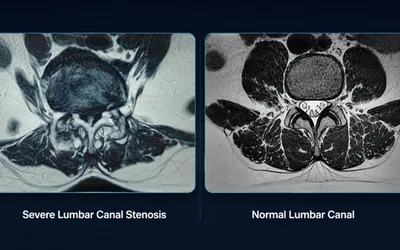
Cramping or heaviness in the legs, that worsens on standing and walking and relief on bending forward or sitting down can all point to narrowing of the spinal canal in the lower back. Lumbar spinal stenosis surgery relieves this pressure by removing the thickened bone, ligament, and disc tissue that is compressing the nerves. By creating more space within the spinal canal, the procedure eases leg pain and cramping and, in many cases, restores the ability to walk longer distances without discomfort.
“Lumbar spinal stenosis rarely announces itself with a single dramatic symptom. It builds slowly, as reduced walking distance and constant leg heaviness. The goal of surgery is to free the compressed nerves and give patients their mobility back,” states Dr. Arvind Umarani.
Dr. Arvind Umarani is an experienced orthopaedic spine surgeon with focused expertise in lumbar spine decompression. He manages lumbar canal stenosis, degenerative spondylolisthesis, disc herniation with nerve compression, and multilevel degenerative disease of the lower back.
Not every backache needs surgery. But some symptoms should never be ignored.
Causes and Symptoms of Lumbar Spine Conditions Requiring Stenosis Surgery
Lumbar spinal stenosis surgery is generally considered when the nerves in the lower back are compressed and conservative treatment has not helped. Common causes and symptoms include:
Narrowing of the lumbar spinal canal from age-related wear and thickened ligaments
Degenerative spondylolisthesis causing one vertebra to slip over another
Bulging or herniated discs pressing on the nerve roots
Cramping, heaviness, or burning pain radiating into the buttocks and legs
Neurogenic claudication, or leg pain that eases when bending forward or sitting
Numbness or tingling in the thighs, calves, or feet
Reduced walking distance due to progressive leg discomfort
Loss of bladder or bowel control in advanced cases
Early evaluation is the safest route, especially once walking distance or daily activity is affected.
Cervical compression has several underlying causes. Here are the conditions most often treated.
Conditions Treated with Lumbar Spinal Stenosis Surgery
Lumbar spinal stenosis surgery is used to manage a range of conditions that compress the nerves in the lower back. Conditions treated include:
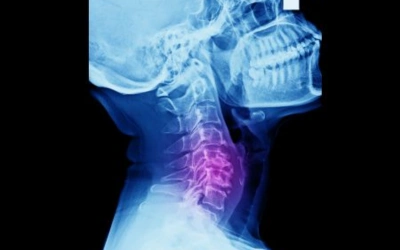
Lumbar Canal Stenosis
Narrowing of the spinal canal that reduces space around the nerve roots.
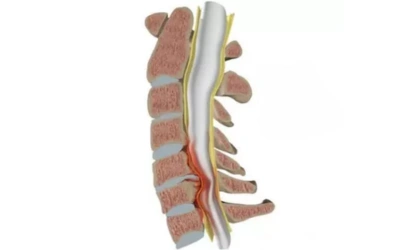
Degenerative Spondylolisthesis
Forward slippage of one vertebra over another that narrows the canal and compresses nerves.
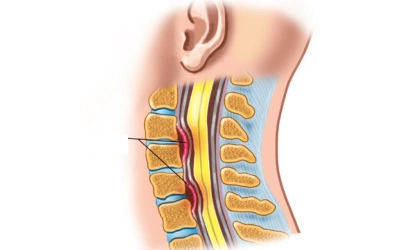
Ossification of the Posterior Longitudinal Ligament (OPLL
Abnormal hardening of the ligament behind the vertebral bodies that narrows the canal.
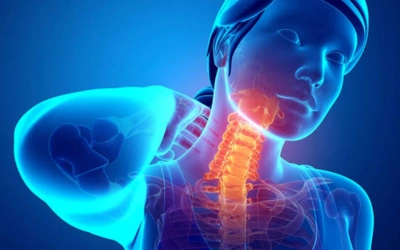
Cervical Disc Herniation with Cord Compression:
A slipped disc pressing directly on the spinal cord or nerve roots.
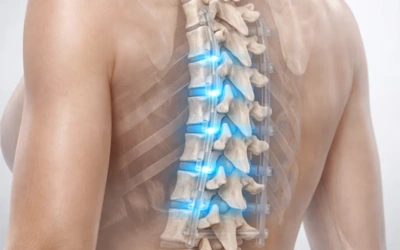
Multilevel Degenerative Cervical Disease:
Compression occurring at several levels of the neck simultaneously.
A correct diagnosis, confirmed with MRI and clinical examination, is the foundation of every successful decompression.
Behind every safe decompression is a carefully planned, precision-guided procedure.
How Lumbar Spinal Stenosis Surgery is Performed by Dr. Arvind Umarani
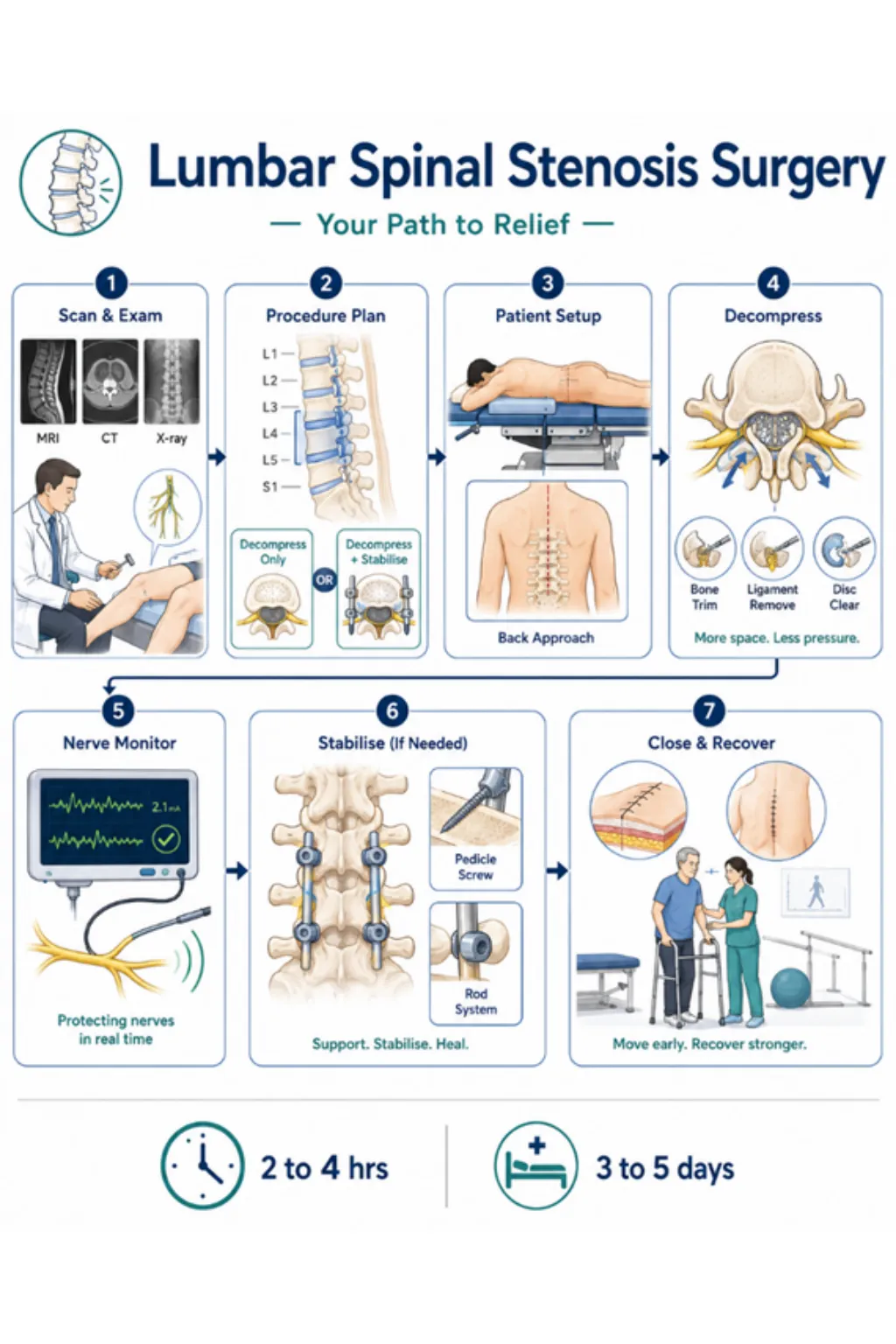
Lumbar spinal stenosis surgery is a precision procedure that requires detailed imaging, careful planning, and continuous safety monitoring. Dr. Umarani follows a structured protocol built around nerve protection.
Step-by-step overview:
1. Pre-operative planning:
Detailed MRI and X-ray review, with C-arm-free navigation when needed.
2. Surgical Planning
3. Positioning and Approach
4. Decompression of the Canal:
The thickened lamina, ligaments, and any disc material compressing the nerves are carefully removed to create space.
5. Neuromonitoring Throughout:
Continuous nerve monitoring safeguards neurological function during decompression.
6. Stabilisation, if Needed:
Screws and rods are added when decompression affects spinal stability, preventing future slippage or deformity.
7. Closure and Early Mobilisation
Layered closure, structured pain management, and walking with support typically begin within a day or two.
Ideal Candidate for Lumbar Spinal Stenosis Surgery
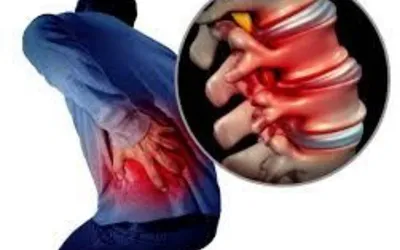
The surgery decompresses the nerves. Recovery restores confidence in everyday movement.
Recovery After Lumbar Spinal Stenosis Surgery
Recovery after lumbar spinal stenosis surgery is a carefully orchestrated and individualized process. This is influenced by the extent of surgery and a person’s general health state.
Hospital stay (3 to 5 days): With assistance, the majority walk within the same day or these day as pain is well-controlled. If the use of a brace is advised, proper usage must be verified.
Due to the proximity to the nerve roots, lumbar spinal stenosis operation leaves no room for mistake. Because of this, patients rely on Dr. Umarani for the procedure.

Why Choose Dr. Arvind Umarani for Lumbar Spinal Stenosis Surgery?

Focused Spinal Expertise
Dedicated experience managing lumbar stenosis, spondylolisthesis, and disc herniation, including complex multilevel cases.
Globally Trained Skill Set
Advanced fellowship exposure in endoscopic spine surgery refined under international mentors.
Tailored Surgical Plans
Decompression strategies built around your compression pattern, stability, and lifestyle, not a fixed template.
Honest, Patient-Friendly Counselling
Realistic expectations are set before surgery, with conservative options explored wherever appropriate.
Holistic Recovery Support
Structured physiotherapy, posture guidance, and long-term follow-up to protect the results of surgery.
Frequently Asked Questions
1. When is surgical treatment necessary for lumbar spinal stenosis?
2. Can movements in the lower back be affected after surgery?
3. How long does it take to fully recover after lumbar spinal stenosis surgery?
4. Will I have to take physiotherapy?
5. Can lumbar spinal stenosis come back after operation?
Keeping one’s weight under control, doing regular exercises, respecting ergonomic principles will help prevent the recurrence of the condition. Besides, regular check-ups enable one to find out about any possible deterioration at early stage.