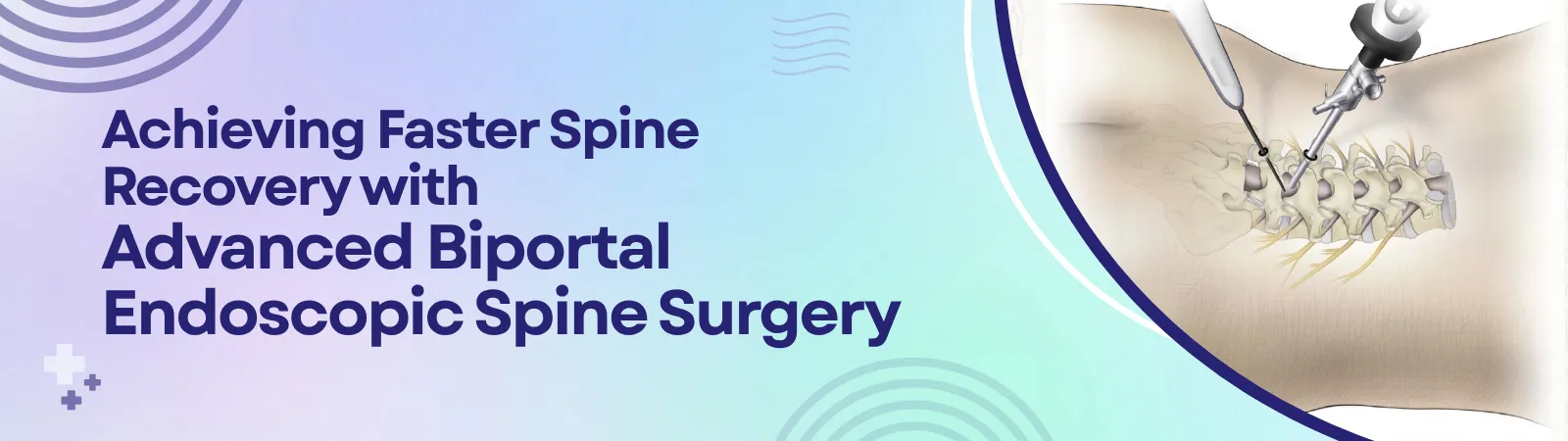
Biportal Endoscopic Spine Surgery
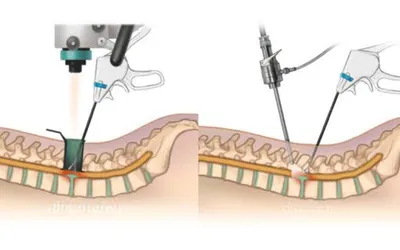
Chronic back pain, leg pain radiating below the knee, or nerve-related weakness often signal that a disc or bony overgrowth is pressing on the nerves in the spine. Biportal Endoscopic Spine Surgery (BESS), also known as Unilateral Biportal Endoscopy (UBE), is a minimally invasive technique that uses two small keyhole incisions instead of a single open incision to decompress the spinal nerves. One portal carries a high-definition endoscope for continuous visualisation, while the other allows specialised instruments to work through, giving surgeons the precision of open surgery with far less tissue disruption.
“Biportal endoscopy lets us achieve the same decompression as conventional spine surgery, but through two small windows instead of one large opening. Less muscle disruption means less pain and a faster return to normal life,” states Dr. Arvind Umarani.
Dr. Arvind Umarani is an experienced orthopaedic spine surgeon with focused expertise in minimally invasive and endoscopic spine techniques. He manages lumbar disc herniation, spinal stenosis, and degenerative spine conditions using biportal and full endoscopic approaches wherever clinically suitable.
Not every spine problem needs open surgery. Biportal endoscopy is changing what “minimally invasive” really means.
Causes and Symptoms of Conditions Requiring Biportal Endoscopic Surgery
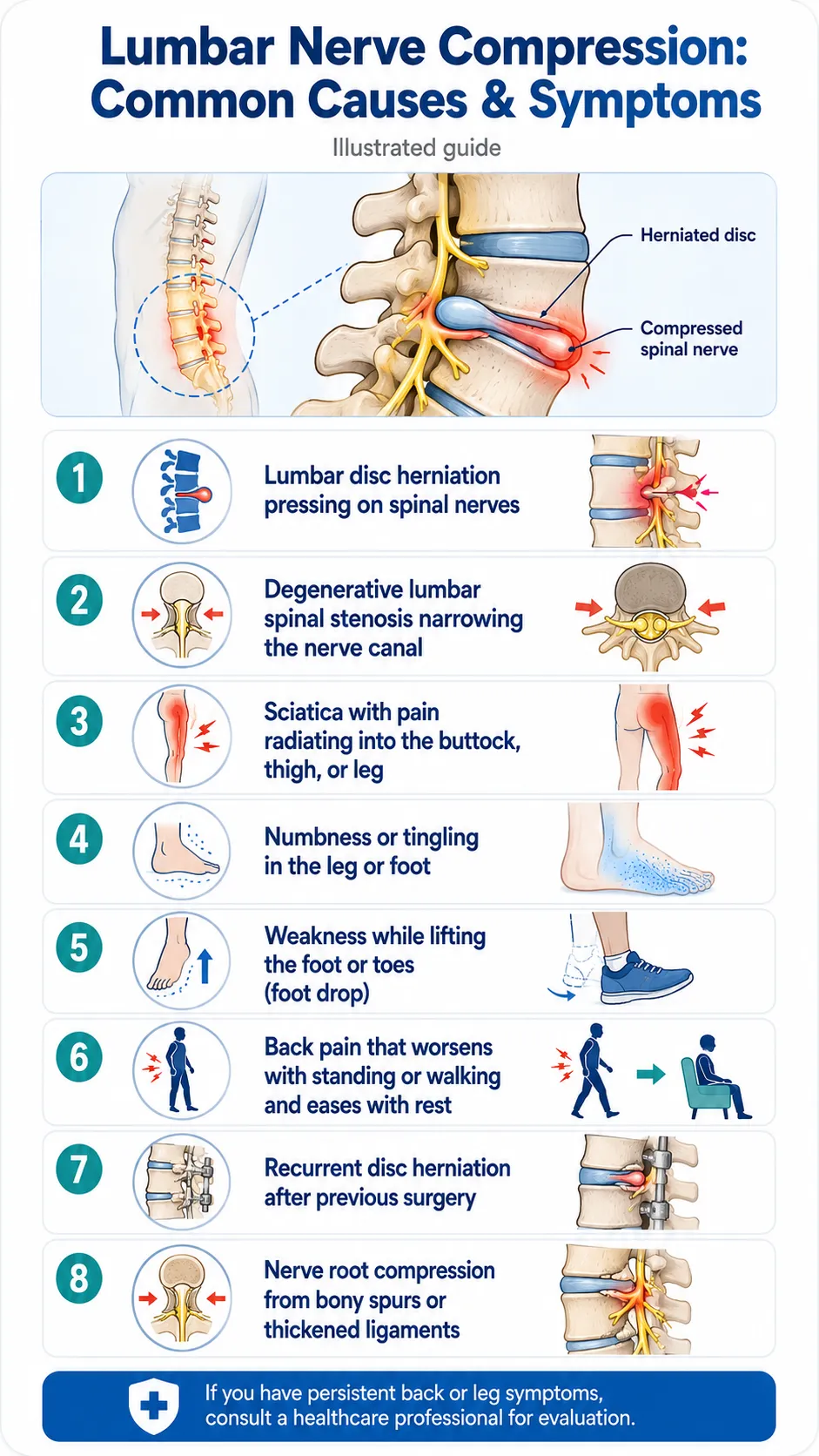
Biportal endoscopic surgery is generally considered when nerve compression in the spine causes ongoing pain or neurological symptoms that haven’t responded to conservative care. Common causes and symptoms include – Persistent lower back or leg discomfort or neurological symptoms that interfere with everyday functioning are reasons to get evaluated early.
Conditions Treated with Biportal Endoscopic Spine Surgery
Biportal endoscopic surgery is used to manage a range of conditions that compress spinal nerves while preserving surrounding muscle and bone. Conditions treated include:
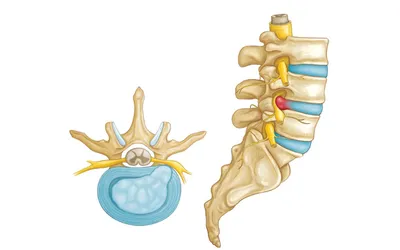
Lumbar Disc Herniation:
A slipped or bulging disc pressing on a nerve root, causing pain, numbness, or weakness in the leg.
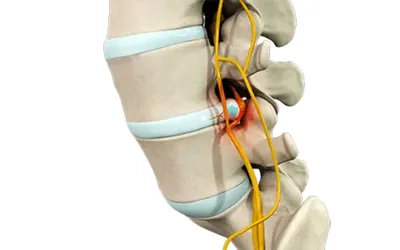
Lumbar Spinal Stenosis:
Narrowing of the spinal canal or nerve exit points due to age-related degeneration.
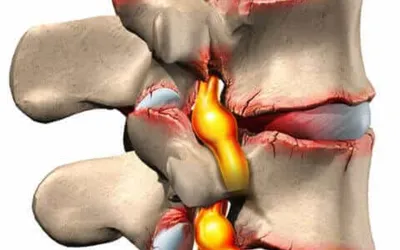
Lumbar Foraminal Stenosis:
Narrowing of the nerve exit tunnel, often causing focused leg pain.
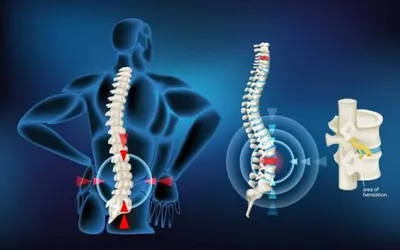
Recurrent Disc Herniation:
Disc material re-herniating at a previously operated level.
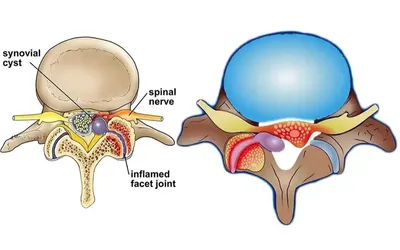
Synovial Cysts:
Cyst that is filled with fluids and originates from the facet joints, causing the compression of adjacent nerves.
A correct diagnosis, confirmed with MRI and clinical examination, determines whether biportal endoscopy is the right fit.
Living with leg pain or sciatica that won’t go away? Connect with Dr. Arvind Umarani to explore minimally invasive options.
Behind every successful biportal procedure is precise portal placement and continuous visual control.
How Biportal Endoscopic Spine Surgery is Performed by Dr. Arvind Umarani
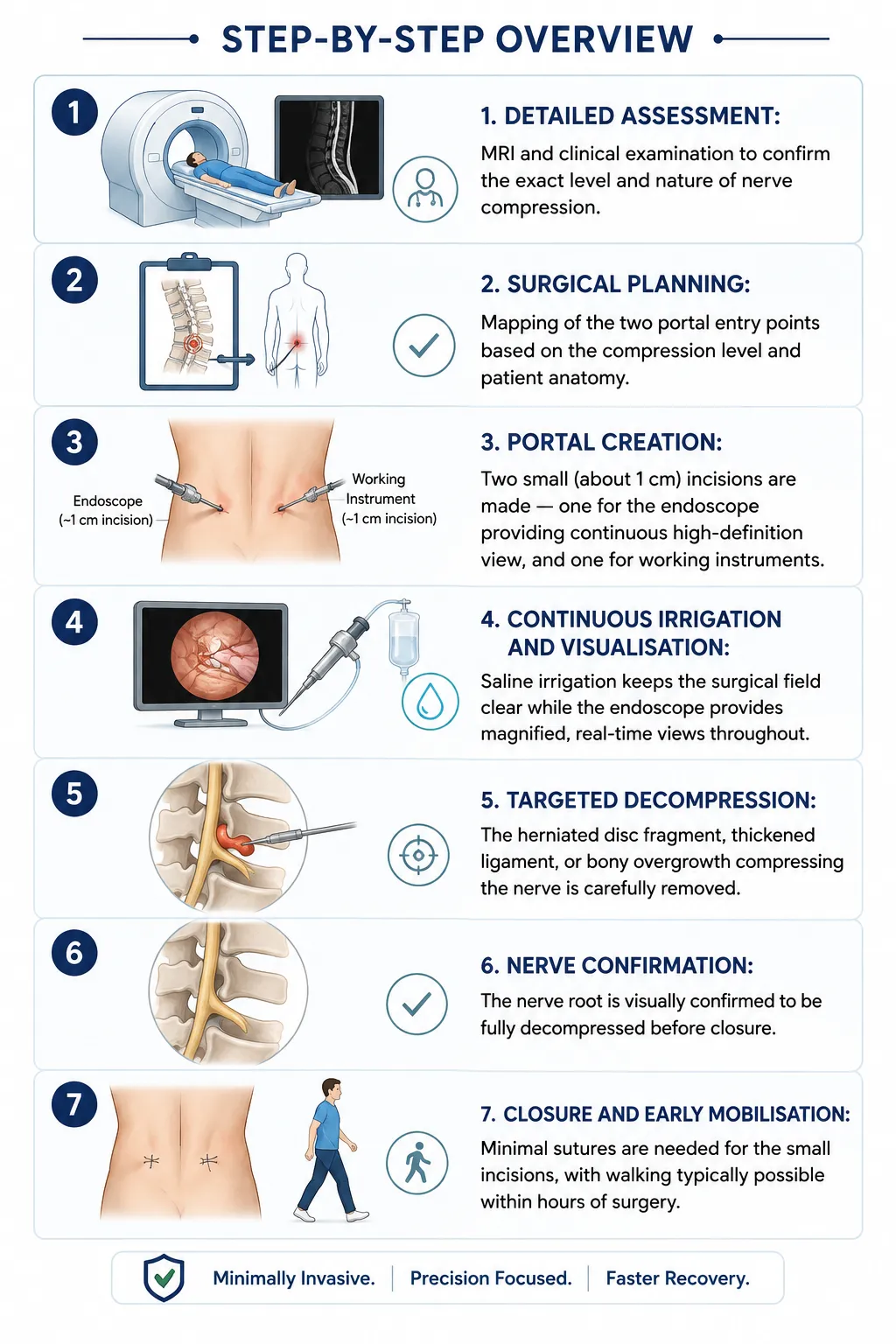
Biportal endoscopic surgery is a precision, image-guided method which needs a close coordination and good visualization of the surgeon. The surgeon uses two small working access ports to manipulate the tools very carefully in a confined space. Dr. Umarani surgically plans with a systematic, nerve-sparing technique, and tissue-saving concept.
The surgery lasts about 1 to 2 hours per level and in most cases patients are allowed to leave the hospital within 24 to 48 hours after the operation.
Mild sciatica or advancing nerve weakness? Here is how Dr. Arvind Umarani decides who actually benefits from biportal endoscopy.
Ideal Candidate for Biportal Endoscopic Spine Surgery
You may be a candidate for biportal endoscopic spine surgery if:
MRI confirms a herniated disc or focal nerve compression in the lower back
You have persistent leg pain, numbness, or weakness despite conservative treatment
You want a minimally invasive option with less muscle disruption
Imaging shows a single or limited number of levels involved
Only a detailed clinical and imaging review confirms whether biportal endoscopy is the right course for you.
The surgery decompresses the nerve. Recovery restores confidence in movement, faster than open surgery typically allows.
Recovery After Biportal Endoscopic Spine Surgery
The speed of recovery after biportal endoscopic spine surgical procedure is quite a bit better than an open spine surgery since incisions are smaller and muscle damage is minimal
Hospitalization (1 – 2 days only):
Many patients are already getting up and around and walking with the help of support devices just hours after the operation. The degree of pain compared to the open surgical method is less severe, and patients usually take part in light physical activities after seven days only, slowly returning to their daily activities under physiotherapy guidance.
Biportal endoscopy takes the surgeon to work in the proximity of highly vulnerable and sensitive neural structures within a very limited space of view without room for error. This is the aspect of patients’ reason for Dr. Umarani’s expertise trust in performing such a delicate procedure.
Why Choose Dr. Arvind Umarani for Biportal Endoscopic Spine Surgery?
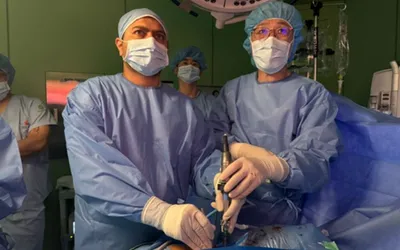
Focused Endoscopic Expertise:
Dedicated experience in biportal and minimally invasive spine techniques for disc and nerve compression.
Globally Trained Skill Set:
Advanced training in biportal endoscopy fined under international mentors.
Tailored Surgical Plans:
Decompression strategies built around your specific compression pattern and lifestyle needs, not a fixed template.
Precision Through Visualization:
Continuous high-definition endoscopic view throughout surgery for accurate, nerve-safe decompression.
Patient-Friendly Counselling:
surgery options are discussed and realistic expectations explained to the patient. He will recommend a less invasive approach wherever possible.
Faster Recovery Focus:
Postoperative structured and follow-up physiotherapy have been arranged to take advantage of biportal surgery and allow patients to recover quickly.
Considering a minimally invasive option for your spine pain? Begin with a focused consultation and an evidence-based plan.
Frequently Asked Questions
What is the basic difference between biportal endoscopic surgery and classical or traditional open spine surgery?
The biportal endoscopic approach uses two small cuts unlike one big incision. As a result, the procedure can free up the nerve without quite a bit disturbing the surrounding muscle tissue. This generally leads to shorter periods of postoperative pain and blood loss and quicker recovery against open surgery.
How long does it take to recover from biportal endoscopic spine surgery?
Most patients notice significant relief in leg pain within the first few days. Light activities can typically resume within a week, while a full return to normal routines, including work and exercise, is usually guided over four to six weeks based on physiotherapy progress and the nature of your job.
How long is the recovery period after biportal endoscopic spine surgery?
Most people observe a substantial reduction in leg pain only a day or so after the operation. Walking and other minor physical activities usually can be done after a week, whereas coming back fully to work, sports and everyday activities generally takes four to six weeks, depending also on the type of job and the progress with physiotherapy.
Do I need to have general anaesthesia for this surgical method?
This technique can be carried out under either general or regional (spinal) anaesthesia with different segments. It also depends on your general physical condition. Your operation expert will be the one to decide for you which will be the most suitable method after a complete preoperatory evaluation.
Is biportal endoscopic surgery one of the surgical interventions that lead to the problem recurrence?
Like any operation that involves the spine, a biportal endoscopic surgery too could have rare instances where the disc herniation reoccurs or the existing degeneration progresses at either the same or other levels after some time. By adhering strictly to post-operative recommendations for posture, daily activity, and physiotherapy, you can minimize this possibility and ensure that the results are durable over the long run.
Disclaimer: The information shared in this content is for educational purposes and not for promotional use.