Endoscopic Spine Surgery
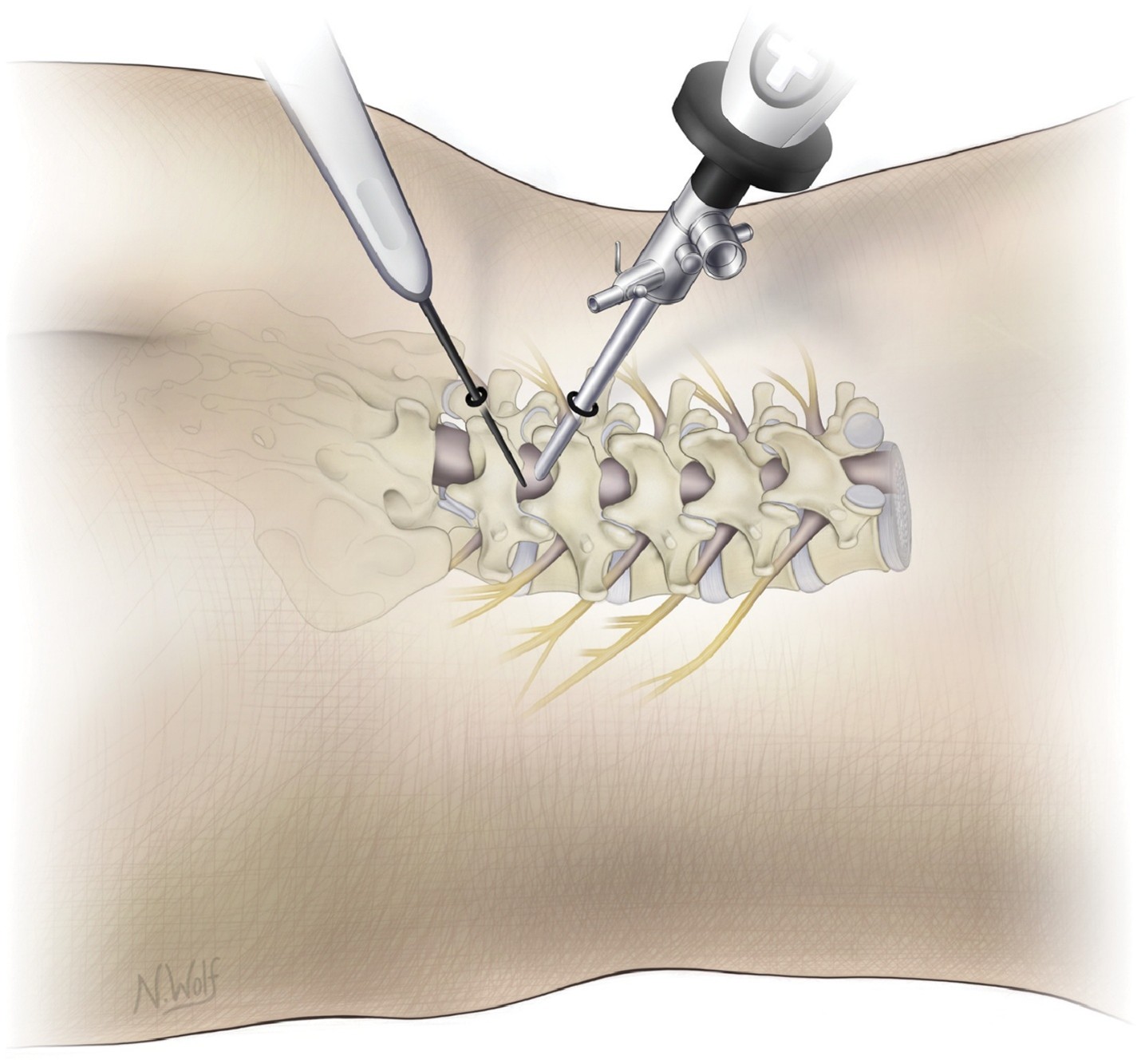
Persistent back pain, neck stiffness, or shooting nerve pain can disrupt work, sleep, and daily life. When an MRI confirms disc herniation, spinal stenosis, or nerve compression, open surgery is no longer the only option. Endoscopic spine surgery treats the same conditions through a 7 to 10 millimeter incision, using a high-definition endoscope and microsurgical instruments to decompress the affected nerve with minimal tissue damage.
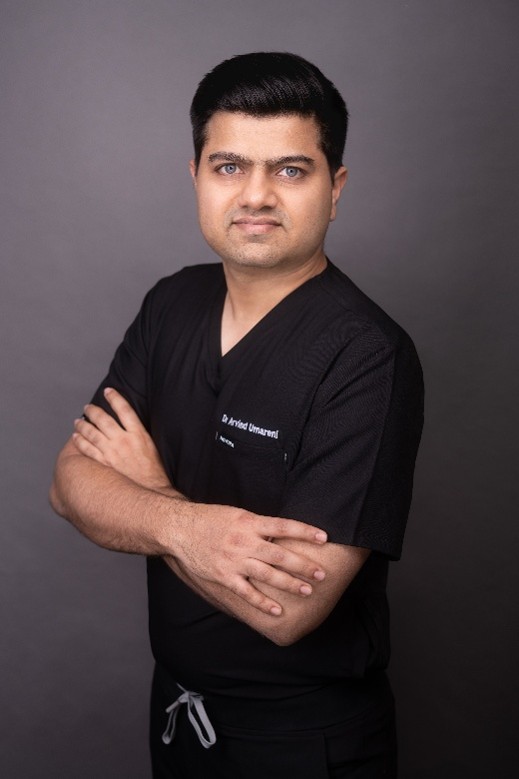
Dr. Arvind Umarani notes, “Endoscopic techniques have changed the recovery curve significantly. Most patients are mobile within hours and discharged the next day. The right diagnosis paired with the right technique delivers outcomes that open surgery often cannot.”
Dr. Arvind Umarani is a leading orthopaedic spine surgeon with focused expertise in endoscopic and minimally invasive spine surgery. He performs both monoportal and Unilateral Biportal Endoscopic (UBE) procedures, including endoscopic lumbar discectomy, decompression for spinal stenosis, foraminal nerve release, cervical endoscopic procedures, and selected revision cases. His approach combines precise diagnosis, navigation-guided technique, and conservative care first, with surgery offered only when clinically justified.
Before talking about the surgery, let us look at what brings people to it.
Causes and Symptoms of Spine Conditions Requiring Endoscopic Spine Surgery
The spine carries the entire weight of your upper body, protects your spinal cord, and lets you bend, twist, and turn. Over time, daily wear, posture habits, injuries, and ageing can damage the discs, joints, and nerves inside it. When the problem starts pressing on a nerve or the spinal cord, you feel it.
Common causes include:
Long hours of sitting or driving
Poor posture and weak core muscles
Heavy lifting and repetitive bending
Sports injuries and road accidents
Age-related degeneration of discs and joints
Genetic predisposition to disc problems
Smoking, which weakens disc health
Obesity and lack of physical activity
Symptoms that often signal a surgical spine problem:
Sharp or shooting pain travelling from the lower back into the leg (sciatica)
Persistent neck pain radiating into the shoulder, arm, or fingers
Tingling, numbness, or pins and needles in the limbs
Weakness in the foot, hand, or grip strength
Pain that worsens with walking and eases when you sit down
Loss of bladder or bowel control (emergency, see a doctor immediately)
If any of these sound like you, an evaluation is the right next step.
Which conditions can be treated with this minimally invasive technique? Let’s explore.
Conditions Treated with Endoscopic Spine Surgery
Common conditions managed include:
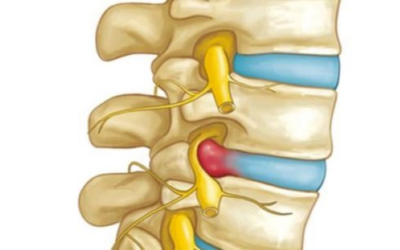
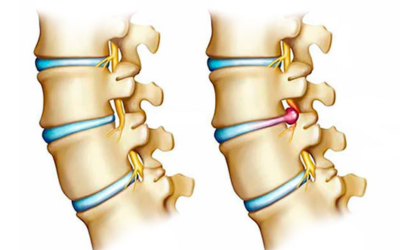
Lumbar Disc Herniation (Slipped Disc)
Treated effectively with Endoscopic Lumbar Discectomy.
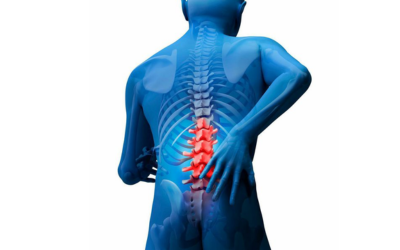
Cervical Disc Herniation
Disc problems in the neck causing arm pain or numbness.
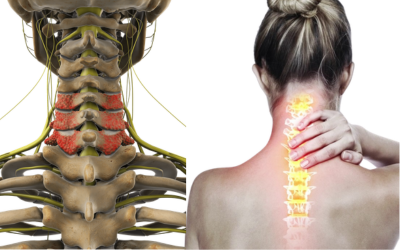
Lumbar Spinal Stenosis
Narrowing of the spinal canal causing leg pain on walking.
Foraminal Stenosis
Compression of the nerve as it exits the spine.
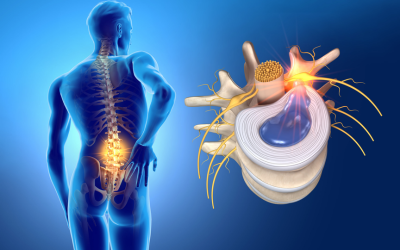
Sciatica
Nerve pain shooting down the leg from a pinched nerve root.
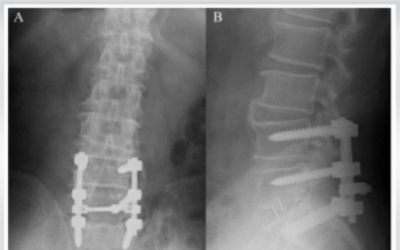
Far-Out Syndrome (L5 Radiculopathy)
Pinching of the L5 nerve beyond the spine
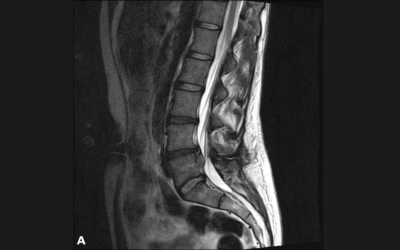
Recurrent Disc Herniation:
Recurrent Disc Herniation: A repeat slip after earlier surgery.
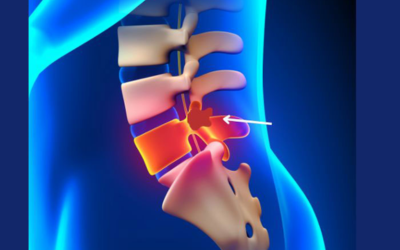
Facet Joint Cysts and Synovial Cysts
Fluid-filled growths pressing on nerves.
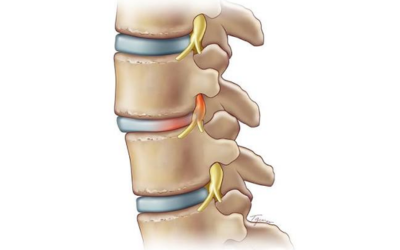
Mild Spondylolisthesis
Slight slipping of one vertebra over another.
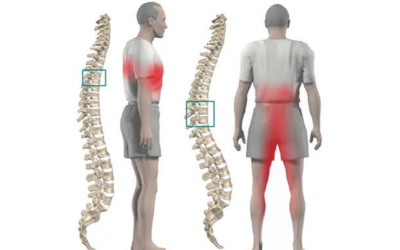
Thoracic Disc Problems
Less common but treatable with selected endoscopic approaches
Already have a diagnosis? Speak with an expert and find out if endoscopy is the smarter route.
What really happens once the OT lights switch on? Here is the inside view.
How Endoscopic Spine Surgery is Performed by Dr. Arvind Umarani
Endoscopic spine surgery is performed under either local or general anesthesia, depending on the case. Dr. Umarani is highly skilled in both monoportal (single-portal) and Unilateral Biportal Endoscopic (UBE) techniques, choosing the right approach based on the diagnosis, level involved, and patient profile.
Step-by-step overview:
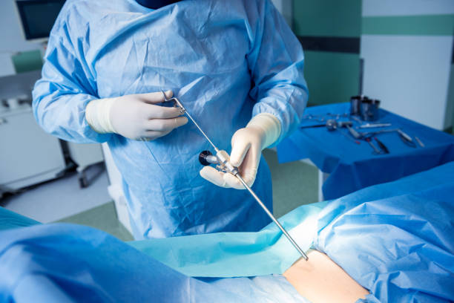
1. Pre-operative planning:
Detailed MRI and X-ray review, with C-arm-free navigation when needed.
2. Positioning:
The patient is positioned face-down for lumbar cases or appropriately for cervical and thoracic levels.
3. Skin entry
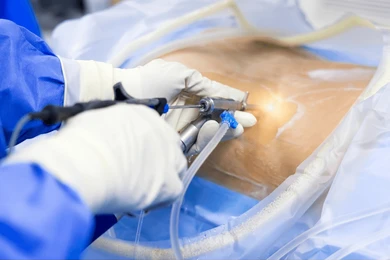
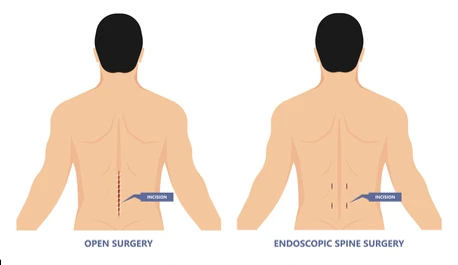
A tiny incision, usually 7 to 10 millimetres, is made over the target area.
4. Insertion of the endoscope
A high-definition camera with a working channel is gently inserted through the muscle without cutting it.
5. Visualization
The surgeon sees the disc, nerve, and bone on a large screen at magnified clarity.
6. Decompression:
Diseased disc material, bone spurs, or thickened ligaments are removed, freeing the trapped nerve.
7. Closure
The instrument is withdrawn. The cut is so small that it usually needs just one stitch or a sterile strip. This is why patients often refer to it as Scarless Spine Surgery.
Most procedures take 60 to 120 minutes. Blood loss is minimal. Muscles and ligaments stay largely intact.
Who is eligible for this surgery? Here is how to know if you might.
Ideal Candidate for Endoscopic Spine Surgery
You may be an ideal candidate if:
You are elderly and want a procedure with lower surgical stress
Recovery is one of the biggest reasons patients pick this option. Here is what to expect.
Recovery After Endoscopic Spine Surgery
Day of surgery:
You are observed for a few hours. Many patients walk the same day with light support.
First 24 to 48 hours:
Most patients are discharged within 24 hours. Pain is usually mild and managed with oral medication. The dressing stays clean and dry.
First 2 weeks:
You can do routine indoor activities. Walking is encouraged. Avoid heavy lifting, prolonged sitting, or bending forward.
2 to 4 weeks:
Light office work is usually possible. Driving short distances may be allowed based on your progress. A graded physiotherapy programme begins to strengthen the back or neck.
1 to 3 months:
Full return to normal activities, including longer travel, exercise, and moderate sports. Heavy lifting and contact sports are introduced gradually.
Long-term
Most patients experience lasting relief, especially when good posture, core strengthening, and weight management become part of daily life.
Recovery times can vary depending on age, baseline fitness, and the specific procedure. Your post-op plan is tailored to you.
Choosing the right surgeon matters as much as choosing the right procedure.
Why Choose Dr. Arvind Umarani for Endoscopic Spine Surgery?
Globally Trained Expertise:
Fellowship training across India, South Korea (UBE), and Japan (Advanced Spine Surgery) brings world-class endoscopic skill to every patient.
Skilled in Both UBE and Monoportal Techniques:
Comfortable with both single-portal and biportal endoscopic approaches, which means the technique is chosen to fit your spine, not the other way around.
Surgery Only When Truly Needed
Conservative options like physiotherapy, medication, and injections are always explored first. Surgery is recommended only when it offers a clear, lasting benefit.
Navigation-Guided Precision
Use of C-arm-free navigation and high-definition endoscopy for safer access, less radiation exposure, and more accurate nerve decompression.
Tailored Treatment for Every Patient:
Plans are built around your age, work, lifestyle, fitness, and recovery goals, not a fixed surgical template.
Navigation-Guided Precision
Use of C-arm-free navigation and high-definition endoscopy for safer access, less radiation exposure, and more accurate nerve decompression.
Tailored Treatment for Every Patient:
Plans are built around your age, work, lifestyle, fitness, and recovery goals, not a fixed surgical template.
Honest, Patient-Friendly Consultations
Conditions are explained in simple language on your own MRI, so you understand the problem, the options, and the realistic outcomes before deciding.
Stop living around the pain. Reach out today and get a clear, personalized plan for your spinal condition.
Frequently Asked Questions
1. What is Endoscopic Spine Surgery?
It is a minimally invasive surgery that treats spine problems through a tiny incision using a camera and small instruments, without cutting muscles or bones unnecessarily.
2. Is Endoscopic Spine Surgery the same as keyhole spine surgery?
Yes. It is also called keyhole or Scarless Spine Surgery because the incision is so small that it usually leaves no visible scar.
3. What is Endoscopic Lumbar Discectomy?
It is an endoscopic procedure to remove a herniated disc fragment from the lower back, relieving sciatica and leg pain caused by nerve compression.
4. Will I need spinal fusion?
No. Endoscopic Spine Surgery preserves natural spine motion and avoids fusion in most cases.
5. Can elderly patients undergo Endoscopic Spine Surgery?
Yes. In fact, older patients often benefit the most due to faster recovery and lower surgical stress.
Disclaimer: The information shared in this content is for educational purposes and not for promotional use.