

Cervical Laminectomy Surgery
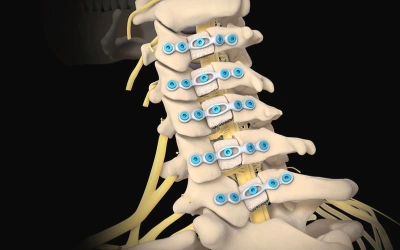
Persistent neck pain, tingling in the hands, weakness while gripping objects, or an unsteady walk can all point to compression of the spinal cord or nerves in the neck. Cervical laminectomy surgery relieves this pressure by removing the lamina, the bony arch at the back of the vertebra, along with thickened ligaments that are narrowing the spinal canal. By creating more space for the spinal cord and nerve roots, the procedure halts further neurological decline and, in many cases, allows meaningful recovery of function.
“When the spinal cord is under pressure in the neck, timing matters. The aim of a cervical laminectomy is to create space, protect the cord, and stop the damage before it becomes permanent,” states Dr. Arvind Umarani.
Dr. Umarani follows a conservative-first approach and recommends MIS-TLIF only when there is persistent pain, neurological symptoms, spinal instability, or a clear risk of further deterioration. With fellowship training in India, South Korea, and Japan, he combines advanced minimally invasive techniques with personalised treatment planning to achieve safe and effective spine care.
Not every neck problem needs surgery. But some symptoms should never be ignored.
Causes and Symptoms of Cervical Spine Conditions Requiring Laminectomy Surgery

Cervical laminectomy is generally considered when the spinal cord or nerve roots in the neck are compressed and conservative treatment has not helped. Common causes and symptoms include:
Narrowing of the cervical spinal canal (cervical spinal stenosis)
Cervical spondylotic myelopathy from age-related disc and joint degeneration
Ossification of the posterior longitudinal ligament (OPLL)
Herniated or bulging cervical discs pressing on the cord or nerves
Neck pain radiating into the shoulders and arms
Numbness or tingling in the hands and fingers
Weakness or clumsiness while gripping or handling objects
Balance difficulty or an unsteady, stiff-legged walk
Loss of bladder or bowel control in advanced cases
Early evaluation is the safest route, especially once hand function or walking is affected.
Cervical compression has several underlying causes. Here are the conditions most often treated.
Conditions Treated with Cervical Laminectomy Surgery
Cervical laminectomy is used to manage a range of conditions that compress the spinal cord or nerve roots in the neck. Conditions treated include:
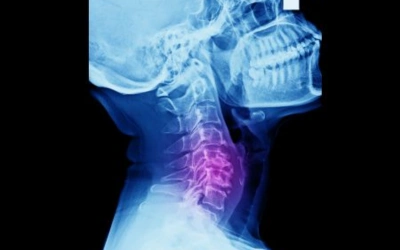
Cervical Spondylotic Myelopathy (CSM):
Spinal cord compression from age-related disc, joint, and ligament changes in the neck.
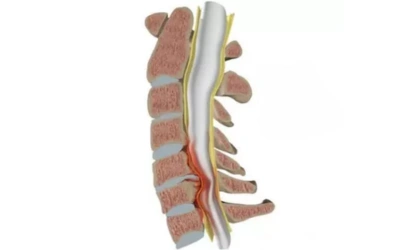
Cervical Spinal Stenosis:
Narrowing of the spinal canal that reduces space around the cord and nerves.
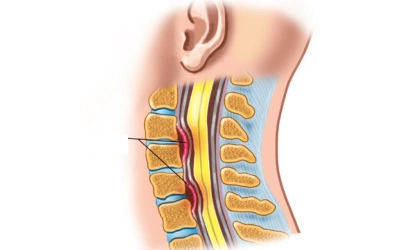
Ossification of the Posterior Longitudinal Ligament (OPLL
Abnormal hardening of the ligament behind the vertebral bodies that narrows the canal.
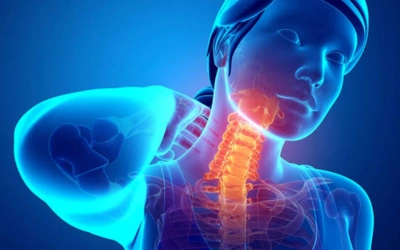
Cervical Disc Herniation with Cord Compression:
A slipped disc pressing directly on the spinal cord or nerve roots.
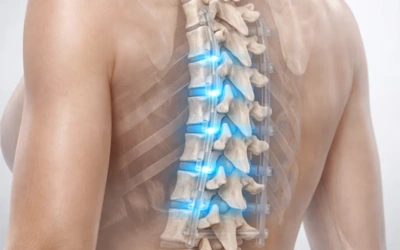
Multilevel Degenerative Cervical Disease:
Compression occurring at several levels of the neck simultaneously.
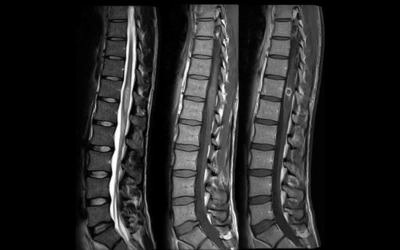
Select Spinal Tumours or Cysts:
Growths involving the posterior elements of the cervical spine that need decompression.
A correct diagnosis, confirmed with MRI and clinical examination, is the foundation of every successful decompression.
Experiencing numbness or weakness in your hands? Connect with a specialist for timely evaluation.
Behind every safe decompression is a carefully planned, navigation-guided procedure.
How Cervical Laminectomy Surgery is Performed by Dr. Arvind Umarani
Cervical laminectomy is a precision procedure that requires detailed imaging, careful planning, and continuous safety monitoring. Dr. Umarani follows a structured protocol built around spinal cord protection.
Detailed Assessment:
MRI, CT scans, and X-rays of the neck to map the level, degree, and cause of compression, along with a thorough neurological examination.
Surgical Planning:
Selection of the levels to be decompressed and a decision on whether laminectomy alone, or laminectomy with fusion, is required based on spinal stability.
Positioning and Approach:
The patient is carefully positioned, and a posterior (back-of-the-neck) approach is used to reach the affected vertebrae.
Removal of the Lamina:
The bony lamina and thickened ligaments compressing the spinal cord are carefully removed to create space.
Neuromonitoring Throughout:
Continuous spinal cord and nerve monitoring safeguards neurological function during decompression.
Stabilisation, if Needed:
Screws and rods are added when decompression affects spinal stability, preventing future slippage or deformity.
Closure and Early Mobilisation:
Layered closure, structured pain management, and walking with support typically begin within a day or two.
The surgery usually takes 2 to 4 hours, depending on the number of levels involved, with a hospital stay of 3 to 5 days.
Mild tingling or advancing myelopathy? Here is how doctors decide who actually benefits from surgery.
Ideal Candidate for Cervical Laminectomy Surgery
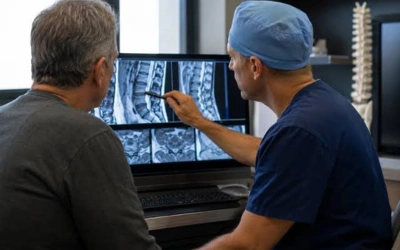
You may be a candidate for cervical laminectomy surgery if:
MRI confirms spinal cord or nerve root compression in the neck
You have progressive numbness, weakness, or clumsiness in the hands or arms
You experience balance problems or difficulty walking due to cord compression
Imaging shows significant canal narrowing or OPLL
Only a detailed clinical and imaging review confirms whether surgery is the right course for you.
The surgery decompresses the spinal cord. Recovery restores confidence in everyday movement
Recovery After Cervical Laminectomy Surgery
Recovery from cervical laminectomy is structured and tailored to the extent of surgery and your overall health.
Hospital stay (3 to 5 days):
In most cases, with support, walking is resumed on the same day or within a day given the pain control and if a collar support is advised, proper collaring needs be ensured.
Cervical laminectomy sits close to the spinal cord, leaving no margin for error. Here is why patients trust Dr. Umarani with it.
Why Choose Dr. Arvind Umarani for Cervical Laminectomy Surgery?

Focused Spinal Cord Expertise:
Dedicated experience managing cervical myelopathy, stenosis, and OPLL, including complex multilevel cases.
Globally Trained Skill Set:
Advanced fellowship exposure in cervical spine surgery refined under international mentors
Tailored Surgical Plans:
Decompression strategies built around your compression pattern, stability, and lifestyle, not a fixed template.
Neuromonitoring for Safety:
Continuous spinal cord and nerve monitoring during surgery, prioritising neurological safety at every step.
Honest, Patient-Friendly Counselling:
Realistic expectations are set before surgery, with conservative options explored wherever appropriate.
Holistic Recovery Support:
Structured physiotherapy, posture guidance, and long-term follow-up to protect the results of surgery.
Frequently Asked Questions
1. When is cervical laminectomy a necessary procedure for surgery?
Surgical intervention is generally recommended after the results of MRI clearly show that the compression of spinal cord or nerve causing worsening numbness, weakness, or difficulty in walking or having balance issues.
2. Is movement in the neck going to be impacted post-surgery?
Movements in the neck are generally not affected after most cervical laminectomy surgeries. Patients who undergo cervical laminectomy in combination with cervical fusion will likely lose some movement, mainly at the fused site, but neighbouring joints will adapt over time to make up for the loss.
Disclaimer: The information shared in this content is for educational purposes and not for promotional use.