
MIS TLIF (Minimally Invasive Transforaminal Lumbar Interbody Fusion) Surgery
Persistent lower back pain, leg pain, numbness, or weakness may result from spinal instability or nerve compression caused by conditions such as spinal stenosis, spondylolisthesis, degenerative disc disease, or recurrent disc problems. When conservative treatments fail, MIS TLIF (Minimally Invasive Transforaminal Lumbar Interbody Fusion) may help decompress nerves and stabilise the spine.
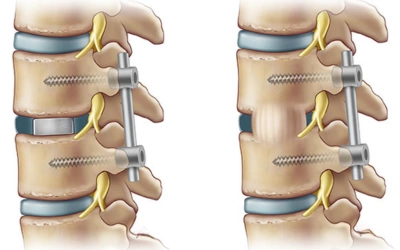
MIS TLIF is a modern lumbar fusion surgery technique performed through smaller incisions to reduce muscle disruption while restoring spinal stability. It involves removing the damaged disc, relieving nerve pressure, restoring disc height, and placing implants to support fusion and spinal alignment.
According to Dr. Arvind M. Umarani, an esteemed orthopedic spine surgeon, “The focus of spine treatment should be identifying the actual cause of symptoms and choosing the least invasive approach that provides effective and lasting results.”
Dr. Umarani follows a conservative-first approach and recommends MIS-TLIF only when there is persistent pain, neurological symptoms, spinal instability, or a clear risk of further deterioration. With fellowship training in India, South Korea, and Japan, he combines advanced minimally invasive techniques with personalised treatment planning to achieve safe and effective spine care.
Are ongoing back and leg symptoms affecting your daily routine? Let’s discuss when a detailed spine evaluation may be necessary.
Signs and Symptoms That May Indicate the Need for MIS TLIF Surgery

MIS TLIF surgery is not required for every patient with back pain. It is considered when symptoms are linked to spinal instability, nerve compression, or structural damage that affects mobility and quality of life.
Common symptoms that may indicate the need for evaluation include:
Pain radiating from the lower back to the buttocks, thighs, or legs
Sciatica with numbness, tingling, or burning sensations
Weakness in the legs or feet
Difficulty standing or walking for long periods
Reduced mobility due to spinal pain
Recurrent symptoms after previous disc surgery
A detailed consultation with a spine specialist helps determine whether symptoms are caused by disc problems, nerve compression, spinal instability, or another condition.
Back pain accompanied by leg weakness or numbness should not be ignored. Connect with an expert for a detailed neurological and imaging assessment.
Which lumbar conditions may require decompression along with spinal stabilisation? Let’s explore the common conditions treated with this procedure.
Conditions Treated with Minimally Invasive TLIF Surgery
MIS TLIF is used for selected lumbar spine conditions where instability, nerve compression, or disc damage causes persistent symptoms.
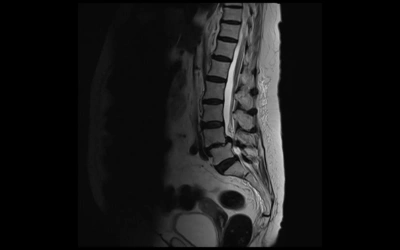
Lumbar Spondylolisthesis:
Stabilises slipped vertebrae and relieves nerve compression.
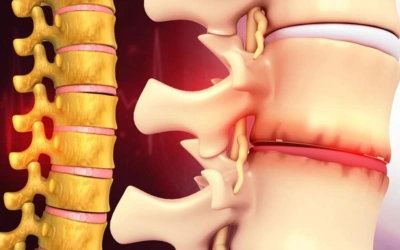
Degenerative Disc Disease:
Restores stability when damaged discs cause chronic pain and instability.
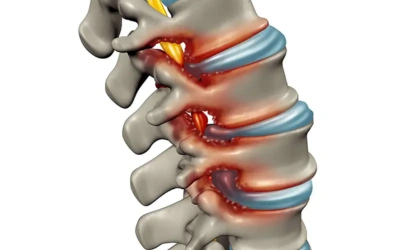
Lumbar Spinal Stenosis with Instability:
Combines nerve decompression with spinal stabilisation.
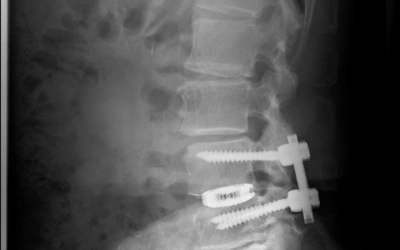
Recurrent Disc Herniation:
Treats repeated disc problems associated with instability or disc collapse.
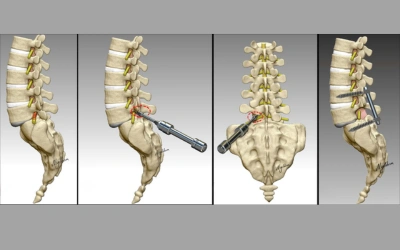
Foraminal Stenosis:
Helps restore disc height and relieve pressure on compressed nerves.
Dr. Arvind Umarani evaluates each patient’s condition, symptoms, and imaging findings to determine the most appropriate treatment approach.
Is fusion necessary for every lumbar disc or stenosis problem? Let’s discover how the surgical approach is selected and performed.
How MIS TLIF Surgery Is Performed by Dr. Arvind Umarani?
MIS TLIF combines nerve decompression and spinal fusion through a minimally invasive, muscle-preserving approach. The surgical plan is customised based on the spinal condition, level involved, nerve compression, bone quality, and previous surgeries.
1. Preoperative Evaluation
Dr. Arvind Umarani evaluates the patient’s symptoms, neurological condition, medical history, and imaging reports such as MRI or X-rays to confirm the affected spinal level and determine whether MIS TLIF is appropriate.
2. Minimally Invasive Access
The procedure is performed under general anesthesia through small incisions. Specialized instruments and tubular retractors create a narrow pathway to access the spine while minimizing damage to surrounding muscles.
3. Nerve Decompression and Disc Removal
The structures compressing the nerve, such as damaged disc material or bone overgrowth, are carefully removed. The affected disc is then removed, and the space is prepared for fusion.
4. Cage and Implant Placement
An interbody cage filled with bone graft is placed between the vertebrae to restore disc height and support fusion. Screws and rods are inserted to stabilize the spinal segment while the fusion develops.
With advanced training in minimally invasive spine surgery, navigation-guided procedures, and complex spinal care, Dr. Arvind Umarani focuses on precise surgical planning tailored to each patient’s condition.
Is MIS TLIF surgery suitable for your condition? Let’s understand the factors that help determine the right candidates.
Who Is an Ideal Candidate for MIS TLIF Surgery?
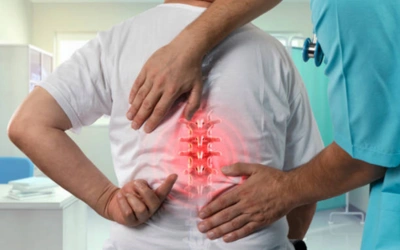
A patient may be considered suitable for MIS TLIF when:
Back or leg pain significantly affects daily life
Imaging confirms spinal instability or nerve compression
Symptoms do not improve with conservative treatment
There is vertebral slippage or disc collapse
Decompression alone may not provide sufficient stability
Dr. Umarani carefully evaluates whether surgery is truly required before recommending lumbar spine surgery. The decision to perform surgery should be based on a combination of clinical symptoms, neurological findings, imaging evidence, previous treatment response, and the patient’s overall health.
What can patients expect after returning from the operating room? Let’s explore the usual stages of recovery and rehabilitation.
Recovery and Rehabilitation After MIS TLIF Surgery
Recovery after MIS TLIF depends on factors such as age, overall health, number of spinal levels treated, and adherence to rehabilitation instructions.
Most patients are encouraged to begin walking soon after surgery under medical supervision. The minimally invasive approach may help reduce muscle injury, postoperative discomfort, and recovery time compared with traditional open surgery.
Physiotherapy may be recommended after the initial healing phase to improve strength, posture, flexibility, and movement patterns.
Complete fusion of the treated spinal segment may take 3-6 months. Regular follow-ups help monitor healing and recovery progress.
Choosing the right spine surgeon can make a significant difference in treatment outcomes. Let’s understand what makes Dr. Arvind Umarani’s approach to MIS TLIF surgery unique.
Why Choose Dr. Arvind Umarani for MIS TLIF Surgery?
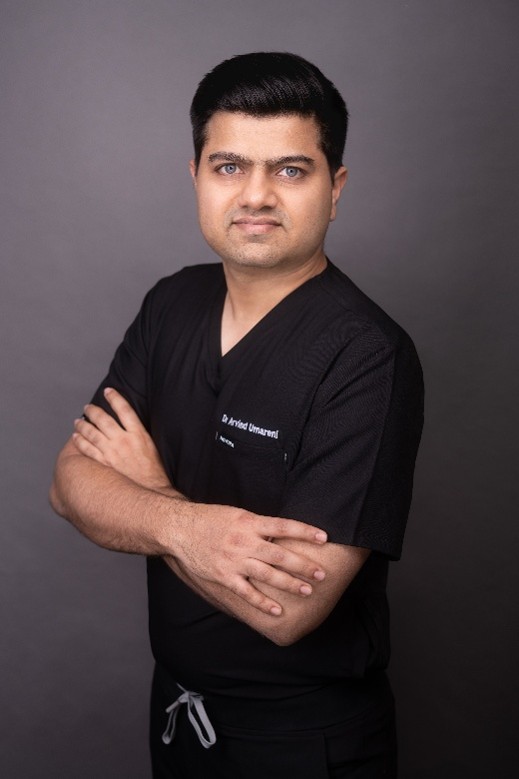
International Fellowship-Trained Spine Specialist
Dr. Arvind Umarani has completed advanced spine fellowships across India, South Korea, and Japan, gaining exposure to modern, minimally invasive spine surgery techniques.
Expertise in MIS TLIF Surgery
He specialises in minimally invasive lumbar fusion procedures for spinal instability and nerve compression.
Conservative-First Approach
Surgery is recommended only when non-surgical treatments are not effective or when neurological risks are present.
Advanced MIS Techniques
His expertise includes MIS TLIF, endoscopic spine surgery, and navigation-guided procedures for precise treatment.
Comprehensive Spine Care
Dr. Arvind Umarani treats a wide range of spinal conditions, including disc disorders, stenosis, deformities, and complex spine problems.
Focus on Safe Recovery
Dr. Arvind Umarani provides structured postoperative guidance to support healing, rehabilitation, and long-term mobility.
Need expert guidance for your spine condition? Reach out to understand whether MIS TLIF surgery is the right treatment option for you.
Frequently Asked Questions
1. How is MIS TLIF different from traditional TLIF?
MIS TLIF uses smaller incisions and specialised instruments to reduce muscle disruption compared with traditional open fusion surgery.
2. How long does MIS TLIF surgery take?
The duration depends on the number of levels treated, complexity of the condition, and individual patient factors.
3. How long does recovery take after MIS TLIF?
Recovery varies between patients. Many people gradually return to daily activities within weeks, while complete fusion may take several months.
4. Is spinal fusion permanent?
The goal of spinal fusion is to create a permanent connection between the treated vertebrae.
5. Does every slipped disc require MIS TLIF?
No. Treatment depends on symptoms, imaging findings, and whether spinal instability is present.
Disclaimer: The information shared in this content is for educational purposes and not for promotional use.