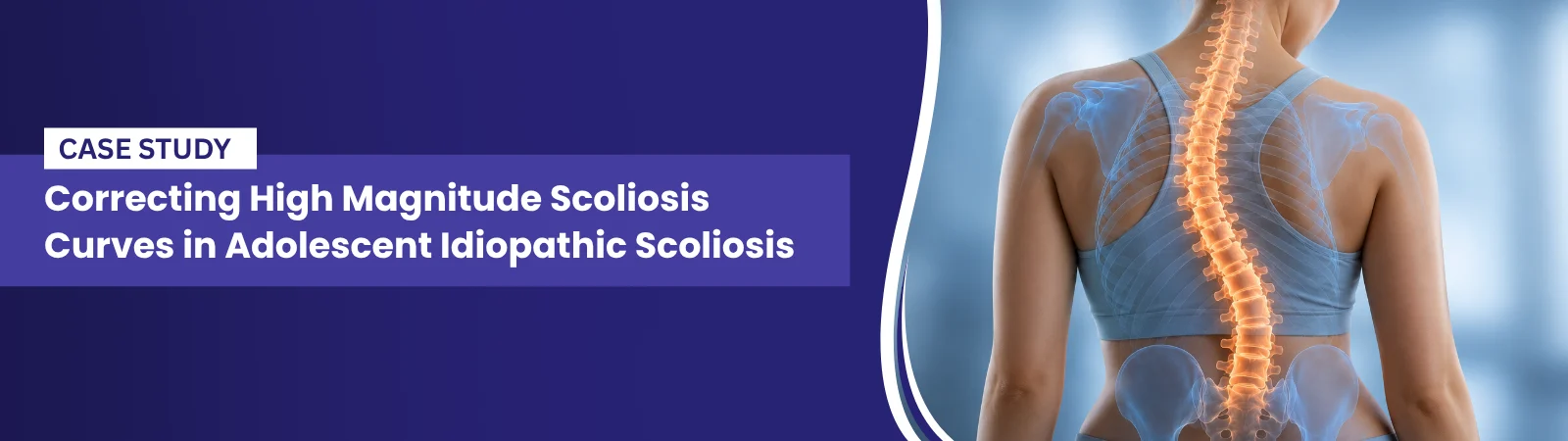
Correcting High Magnitude Scoliosis Curves in Adolescent Idiopathic Scoliosis
Doctor Profile
MS Orthopedics, KMC Manipal, Fellowship trained Spine Surgeon
Spine Surgeon | India
Specialisation: Minimally invasive and endoscopic spine surgery, deformity correction, scoliosis surgery
This case study is drawn from published research Dr. Umarani contributed to as part of the spine surgery team during his MIS Spine Fellowship at Bombay Hospital and Medical Research Centre, Mumbai. Dr. Umarani was part of the research team that documented and analysed these outcomes.
Key Takeaways
Condition: Adolescent idiopathic scoliosis with high magnitude curves, Cobb angle greater than 65 degrees
Procedure: Intraoperative traction compared with intraoperative traction combined with multilevel Ponte osteotomy
Doctor: Dr. Arvind Umarani, research team, Bombay Hospital and Medical Research Centre, Mumbai
Technique: Posterior only approach, halo femoral traction, general anaesthesia, single surgery
Outcome: Both techniques safely corrected severe curves, with traction combined with Ponte osteotomy achieving a significantly higher correction index
Complications: None. No postoperative neurological deficit in either group
Patient Profile
| Field | Patient A, Traction Only | Patient B, Traction with Ponte Osteotomy |
| Age | 16 years | 10 years |
| Gender | Female | Female |
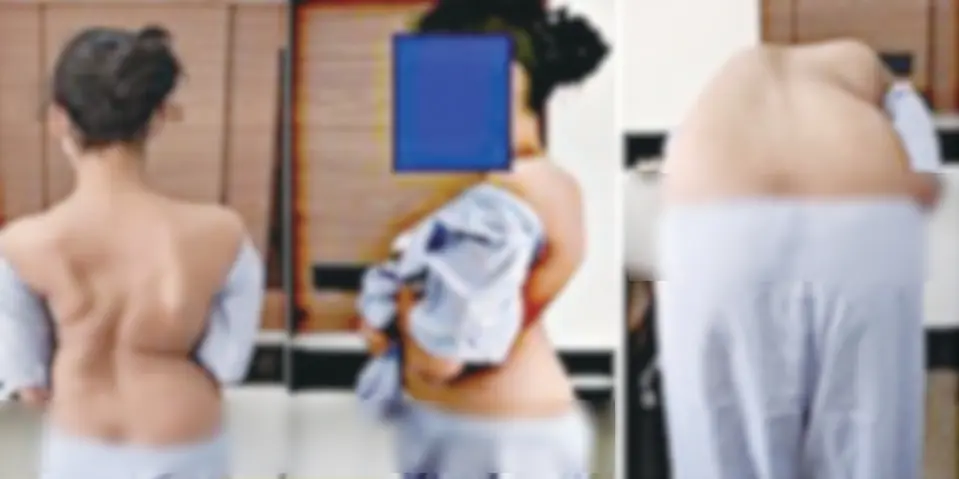
| Presenting complaint | Visible back asymmetry and rib prominence on forward bending | Right shoulder elevation and right sided loin crease |
| Diagnosis | Adolescent idiopathic scoliosis, double major curve | Adolescent idiopathic scoliosis, double major curve |
| Duration of issue | Progressive curve identified prior to surgical referral | Progressive curve identified prior to surgical referral |
| Previous treatments | None recorded | None recorded |
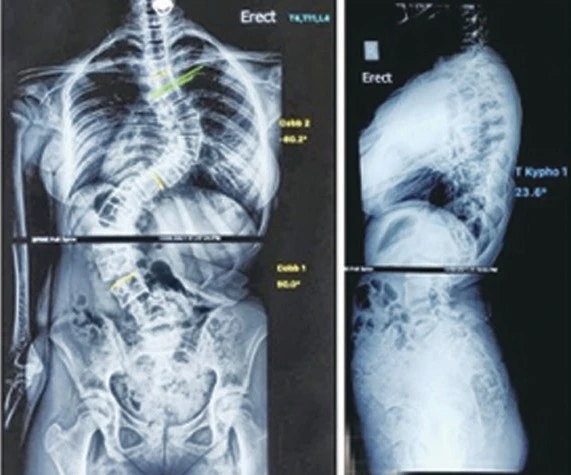
| Preoperative curve | Thoracic 86.8°, Lumbar 65° | Thoracic 80.2°, Lumbar 92.8° |
| Flexibility index | 0.18 bending, 0.11 traction | 0.50 bending, 0.27 traction |
| Date of procedure | Within study period, 2014 to 2021 | Within study period, 2014 to 2021 |
| Outcome | Good | Excellent |
The Problem
CONDITION
High magnitude adolescent idiopathic scoliosis, meaning curves beyond 65 degrees, is one of the more difficult spinal deformities to correct. These curves tend to be stiff, resisting straightening even under bending stress, and involve rotation and imbalance across three dimensions rather than a simple side to side bend. Both patients presented with double major curves, involving both the thoracic and lumbar spine, which required correction in one region without over correcting the other.
EMOTIONAL AND PSYCHOLOGICAL IMPACT
A spinal curve of this magnitude affects far more than appearance. Families often describe years of monitoring a slowly worsening curve, growing concern over posture and rib prominence, and, in more advanced cases, early signs of reduced lung capacity. A visible curve at school age can affect confidence and how a young patient sees themselves during formative years. Understanding when observation should give way to scoliosis surgery remains one of the most common concerns raised by parents at consultation.
Consultation And Treatment Plan
WHAT WAS ASSESSED DURING CONSULTATION
This approach reflects a broader principle followed by an experienced Spine Surgeon: matching the extent of correction to the rigidity of the individual curve, rather than applying one technique to every patient. An Orthopedic Spine Surgeon evaluating a high magnitude curve typically weighs flexibility, age, and curve pattern before recommending traction alone or traction combined with osteotomy.
Pre-Operative Photos And Markings
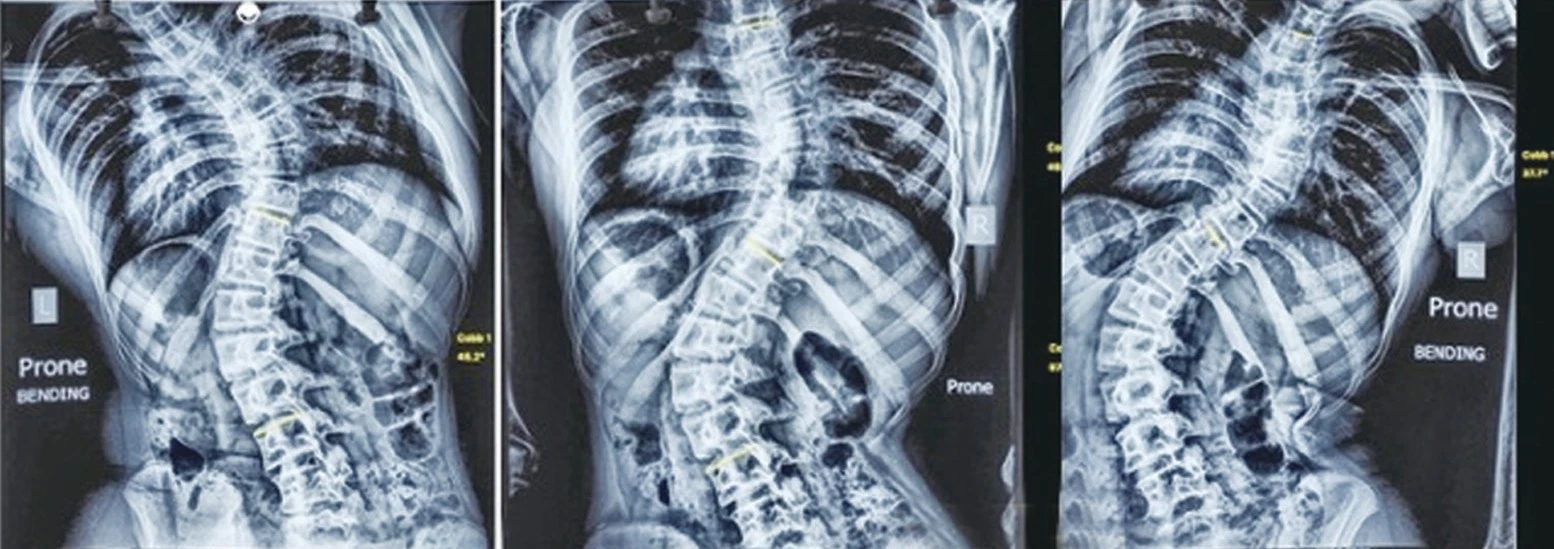
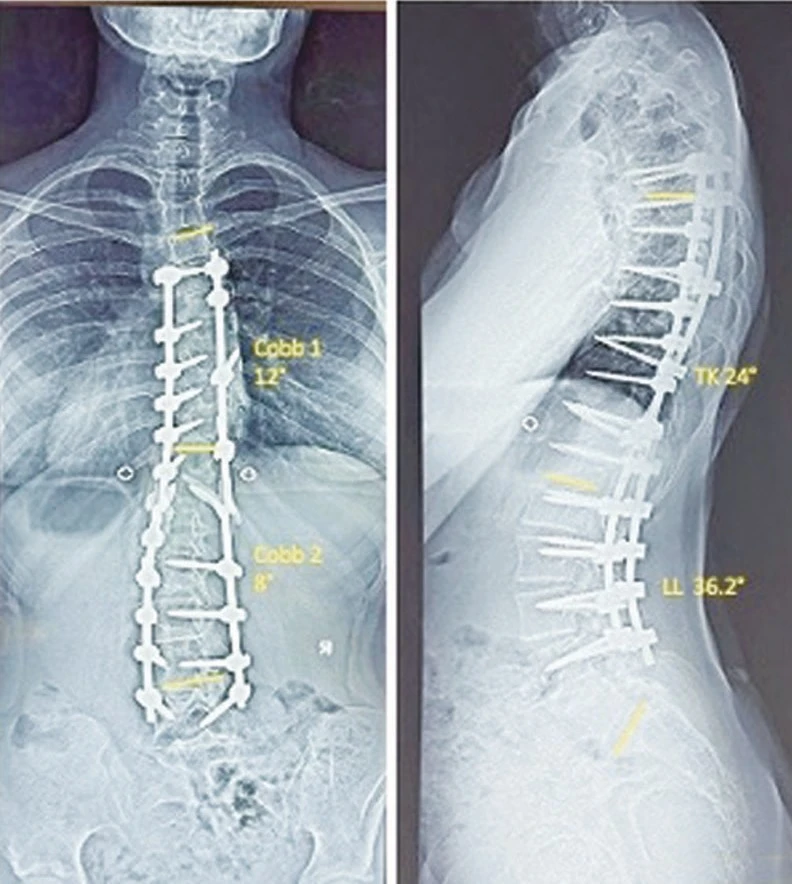
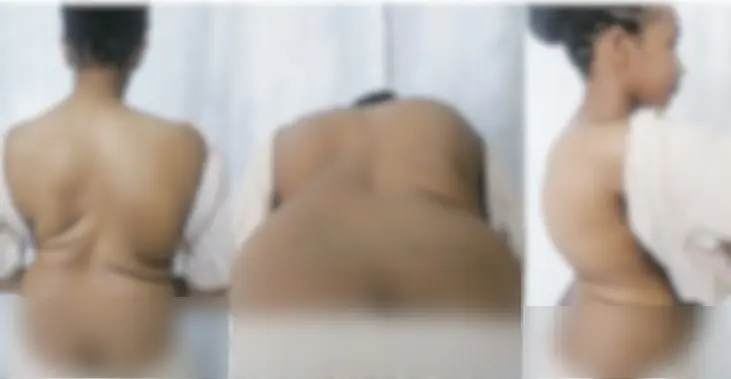
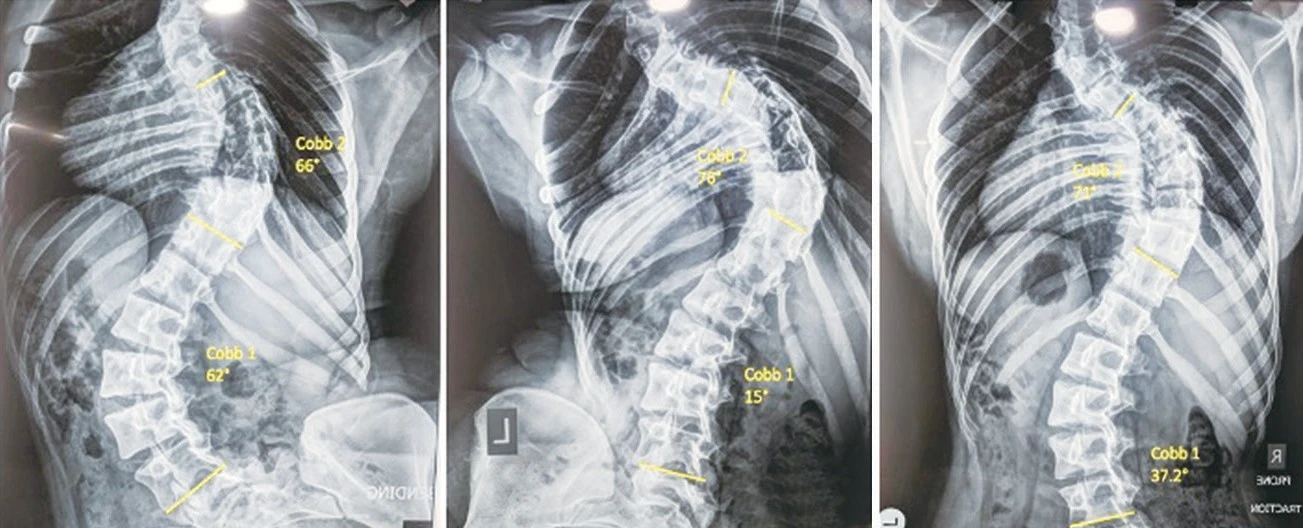
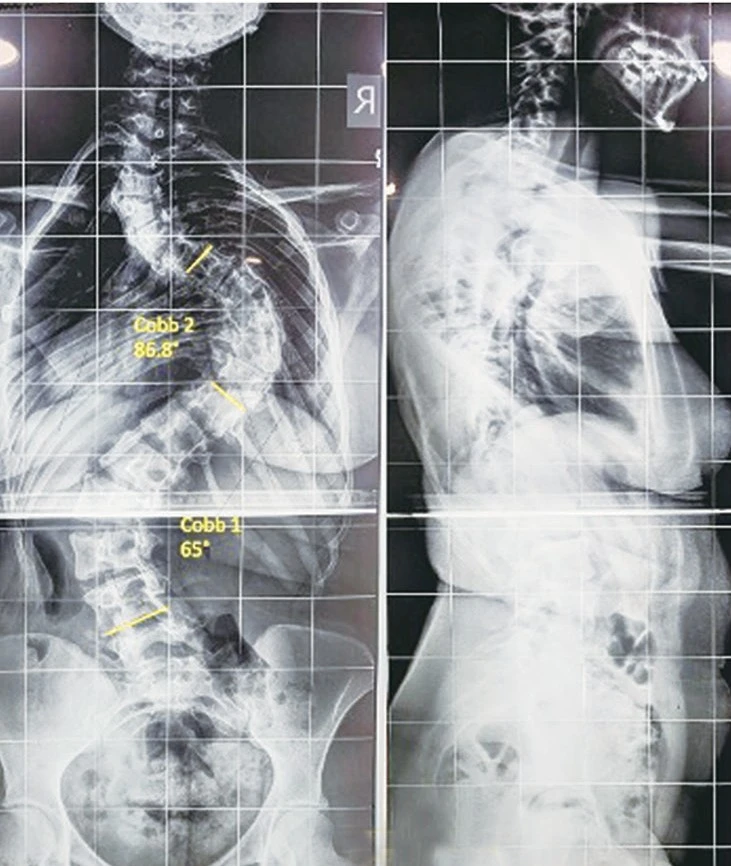
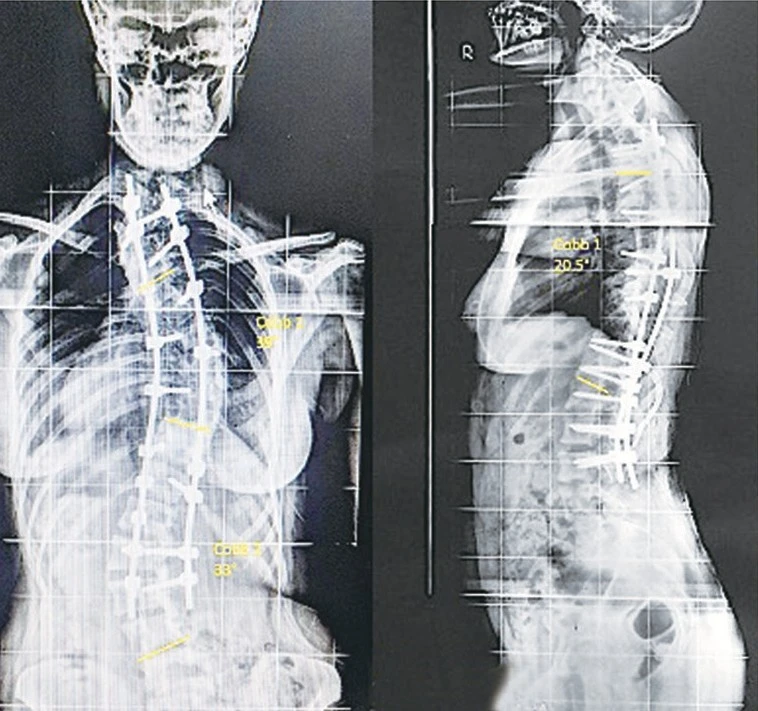
Procedure Details
STEP BY STEP OVERVIEW
| Detail | Traction Only | Traction with Ponte |
| Duration approach | Posterior only, single surgery | Posterior only, single surgery |
| Anaesthesia | General anaesthesia | General anaesthesia |
| Approach | Posterior midline | Posterior midline |
| Intraoperative blood loss | 690.7 mL | 880.4 mL |
| Intraoperative complications | Transient signal change in 1 patient, recovered | Transient signal change in 1 patient, recovered |
| Hospital course | Sitting Day 1, standing Day 2 | Sitting Day 1, standing Day 2 |
Post-Operative Results
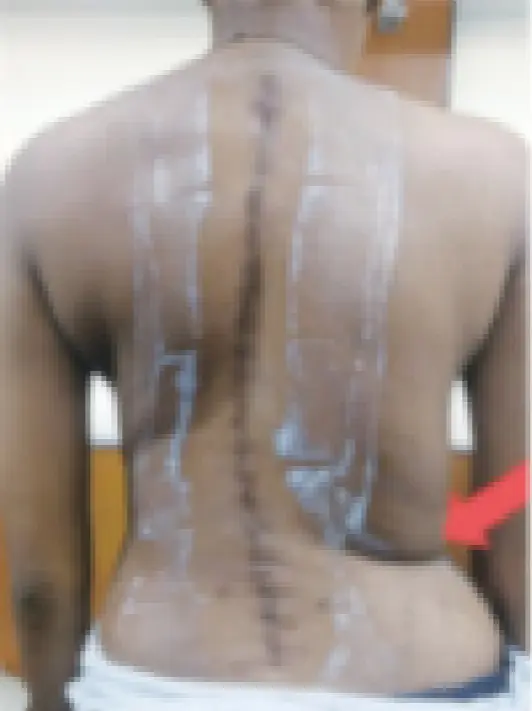
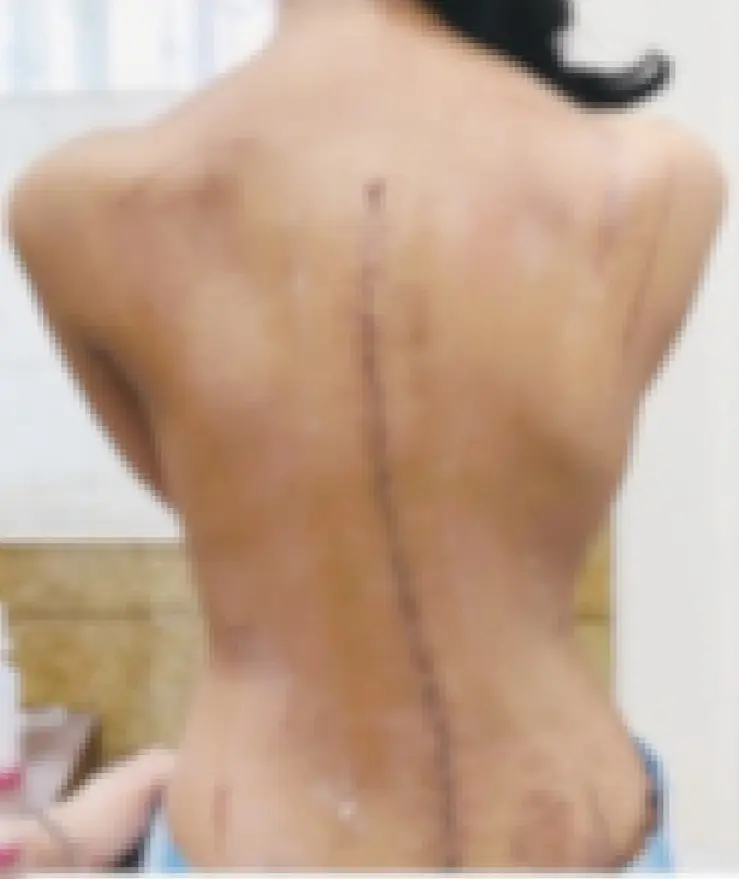
| Outcome Metric | Traction Only | Traction with Ponte |
| Preoperative Cobb angle | 89.35° ± 6.05° | 92.32° ± 9.28° |
| Postoperative Cobb angle | 40.25° ± 5.95° | 19.1° ± 3.20° |
| Correction index | 55.29% | 70.64% |
| Apical vertebral rotation grade | 3.2 to 2.6 | 3.6 to 1.8 |
| Thoracic kyphosis postoperative | 13.84° | 21.02° |
| Complications | None | None |
Patient Feedback
Patient A (Traction Only) – Representative Testimonial
“I was worried about my spinal curve getting worse, but the surgery has made a noticeable difference in my posture and daily comfort. I’m grateful for the care I received and can now move with much more confidence.”
Patient B (Traction with Ponte Osteotomy) – Representative Testimonial
“The results have exceeded our expectations. My spine feels well aligned, my posture has improved significantly, and I was able to return to my routine with renewed confidence thanks to the excellent surgical care.”
Post-Procedure Care And Recovery
INSTRUCTIONS GIVEN TO PATIENTS
RECOVERY TIMELINE
| Timeframe | What Patient Can Expect |
| Day 1 to 2 | Sitting then standing mobilisation begins |
| Within 2 weeks | Wound healing monitored, early activity as comfort allows |
| 1 year | Cobb angle averaged 24.2° in the Ponte group and 44.0° in the traction only group |
| 2 years | Correction stable in both groups, no pseudarthrosis or implant related complications |