
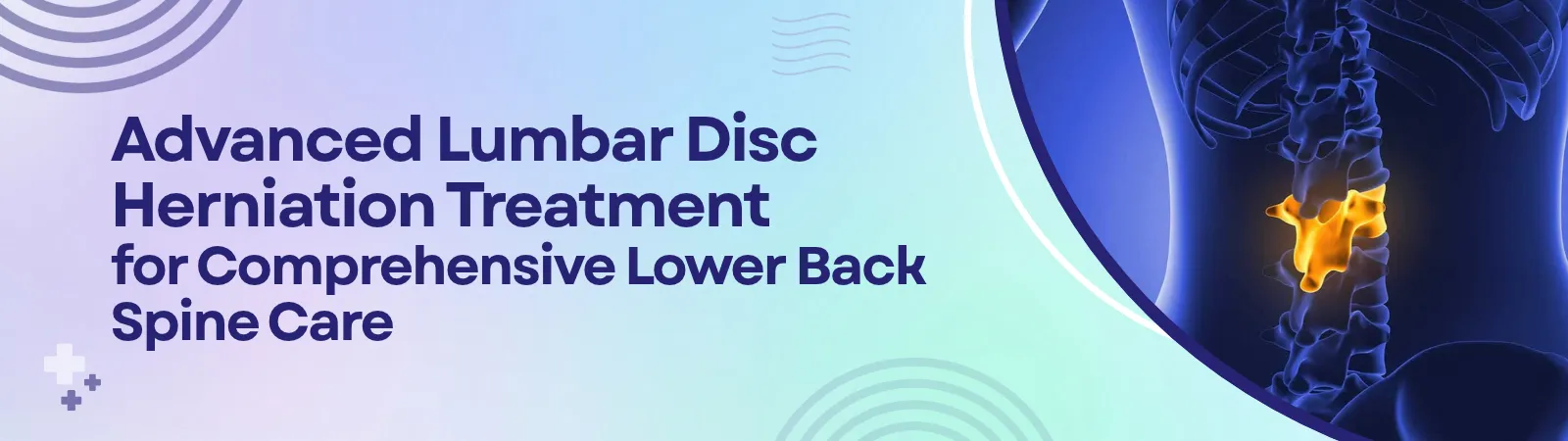
Lumbar Disc Herniation Treatment
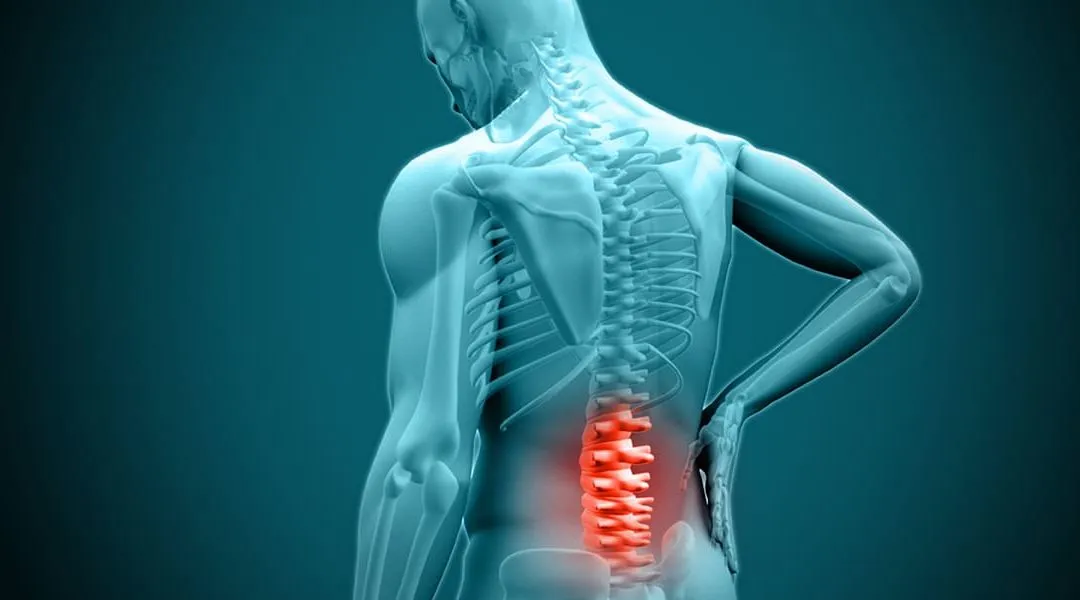
Lower back pain that travels down the buttock, thigh or leg, sometimes with numbness, tingling or weakness in the foot, often points to a herniated disc pressing on a nerve in the lumbar spine. A lumbar disc herniation (slipped disc) occurs when the soft inner material of a disc pushes through a tear in its outer wall and irritates the nearby nerve root. Most patients improve with non-surgical care. When symptoms persist or nerve function is at risk, surgical options such as microdiscectomy or endoscopic discectomy can relieve the pressure on the nerve.
“The right treatment depends on how the nerve is affected, not only on how the MRI looks. Many herniated discs settle without surgery, and when surgery is needed, the aim is to remove only what is pressing on the nerve,” says Dr. Arvind Umarani.
Dr. Arvind Umarani is an orthopaedic spine surgeon with focused expertise in cervical and lumbar spine conditions. He uses non-surgical and minimally invasive and endoscopic techniques to treat lumbar disc herniation, sciatica, lumbar spinal stenosis and degenerative back disease depending on the patient’s individual case.
A treatment plan is developed once the symptoms, examination and MRI are correlated to ensure that you are treated at the appropriate level.
Causes and Symptoms of Lumbar Disc Herniation
A lumbar disc herniation happens when the disc weakens and the soft interior of the disc pushes on a nerve in the spine. The cause/symptoms are:
Older disc
If the disc is older, it's drier and weaker and will be more prone to ripping.
Excessive or repeated straining, twisting or bending of the lower back
can lead to a herniated disc.
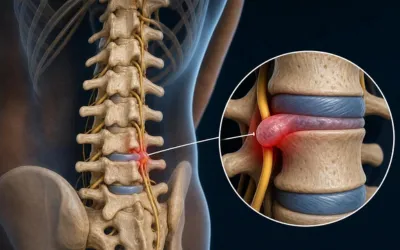
Pressure on the lumbar discs
can cause them to wear due to sitting for too long or having the wrong posture.
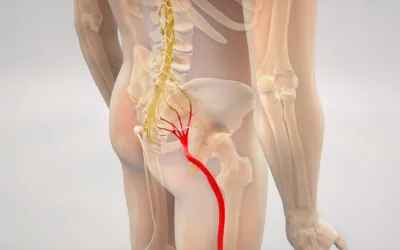
Sciatica
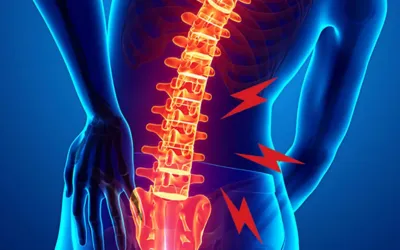
sudden and severe pain down the leg from the lower back, especially aggravated by sitting, coughing and sneezing.

Pins and needles
Usually known pattern in leg, foot or toes, which nerve is involved.

Weakness in leg
Difficulty in walking or lifting foot or toes, tripping giving away of leg.
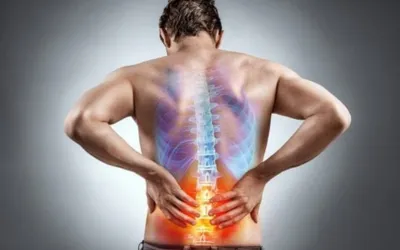
Back pain and stiffness
Difficulty bending forward, getting up or down, or walking because of back pain.
There are some symptoms that indicate that you need to take immediate action. A surgical emergency (cauda equina syndrome) may be the cause if you have to strain to have a bowel movement or have to urinate but not do so, or if the weakness in your leg is getting worse quickly, or if you lose the ability to feel in the top of your groin or inner thighs.
Conditions Related to Lumbar Disc Herniation
An MRI of the lumbar spine, together with a detailed neurological examination, shows which disc is involved and whether it explains your symptoms.
There are various ways a disc herniation can manifest and the treatment varies as well. Typical tests conducted are:
Lumbar Disc Prolapse (Bulge or Protrusion)
The disc bulges, and can compress a nerve root.
Lumbar Radiculopathy (Sciatica)
Leg pain, numbness or weakness due to nerve root compression.
Extruded or sequestrated disc
The material in the disc has pushed out or broken off and is blocking the spinal canal.
Lumbar Canal Stenosis with Disc Herniation
HERNIATED DISC and LUMBAR CANAL STENOSIS.
Recurrent Disc Herniation
Herniation at the same level following a prior surgery (each separately evaluated).
Cauda Equina Syndrome
Large central herniation impinging on nerves to the bladder, bowel and legs which will need emergency surgery.
An MRI of the lumbar spine and thorough neurological examination will determine which disc is affected and if it is causing the symptoms.
Struggling with back pain that radiates into your leg? Find out which treatment is right for your disc herniation.
Treatment Options for Lumbar Disc Herniation
The spine carries the entire weight of your upper body, protects your spinal cord, and lets you bend, twist, and turn. Over time, daily wear, posture habits, injuries, and ageing can damage the discs, joints, and nerves inside it. When the problem starts pressing on a nerve or the spinal cord, you feel it.
Non-surgical treatment
For the majority of cases of disc herniation in the lower back, surgery isn’t necessary and treatment works well in six to twelve weeks. Treatment generally includes:
Activity modification (gentle activity instead of long duration bed rest).
Prescribed anti-inflammatory and nerve pain drugs.
Physiotherapy and strengthening exercises of core muscles.
Nerve root or epidural steroid injections for any chronic leg pain.
Posture advice, ergonomic and lifting-technique advice.
Surgical treatment
If a non-surgical approach is not adequate and the patient continues to experience leg pain and weakness, or if he or she gets more leg weakness, or the patient develops symptoms of cauda equina syndrome, surgery should be considered. Options include:
Microdiscectomy: This surgery involves the removal of the herniated part of the disc through a small incision using a microscope. This is the most common surgery.
Endoscopic Discectomy: Using a small endoscope, the herniated piece of disc is removed with very little disturbance of the surrounding muscle and bone. The techniques used are full-endoscopic and Unilateral Biportal Endoscopic (UBE).
Decompression (with or without fusion): Used in selected cases when there is some instability or large scale degeneration or if herniation has been repeated.
It will depend on the type and location of the herniation, the level of the spine, your symptoms and your overall spine health.
How Lumbar Discectomy is Performed?
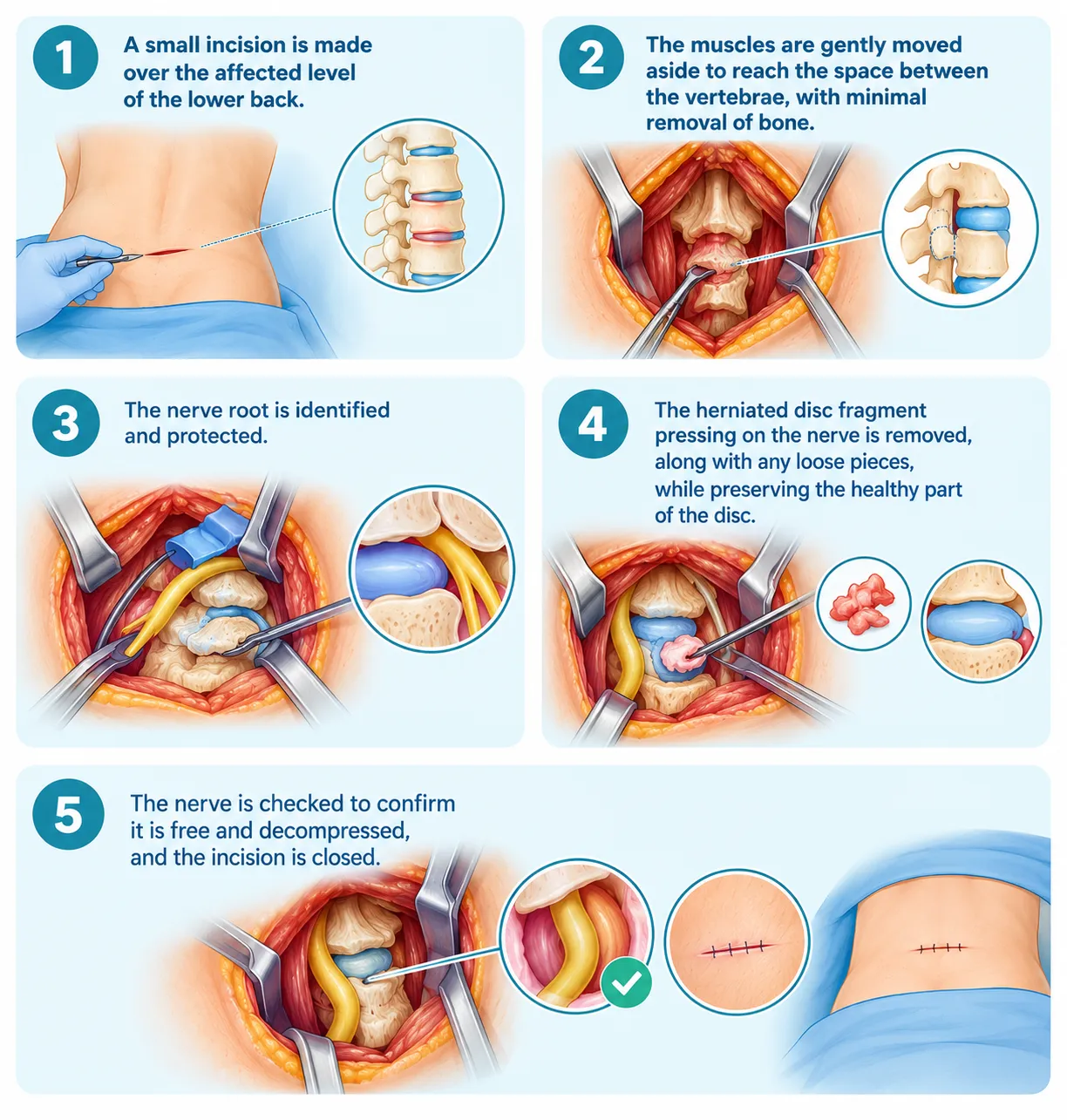
Surgery is generally carried out under general or spinal anaesthesia. The general outline of the procedure is:
A microdiscectomy or endoscopic discectomy generally takes approximately one to two hours to complete, according to the level of herniation and the complexity of the herniation.
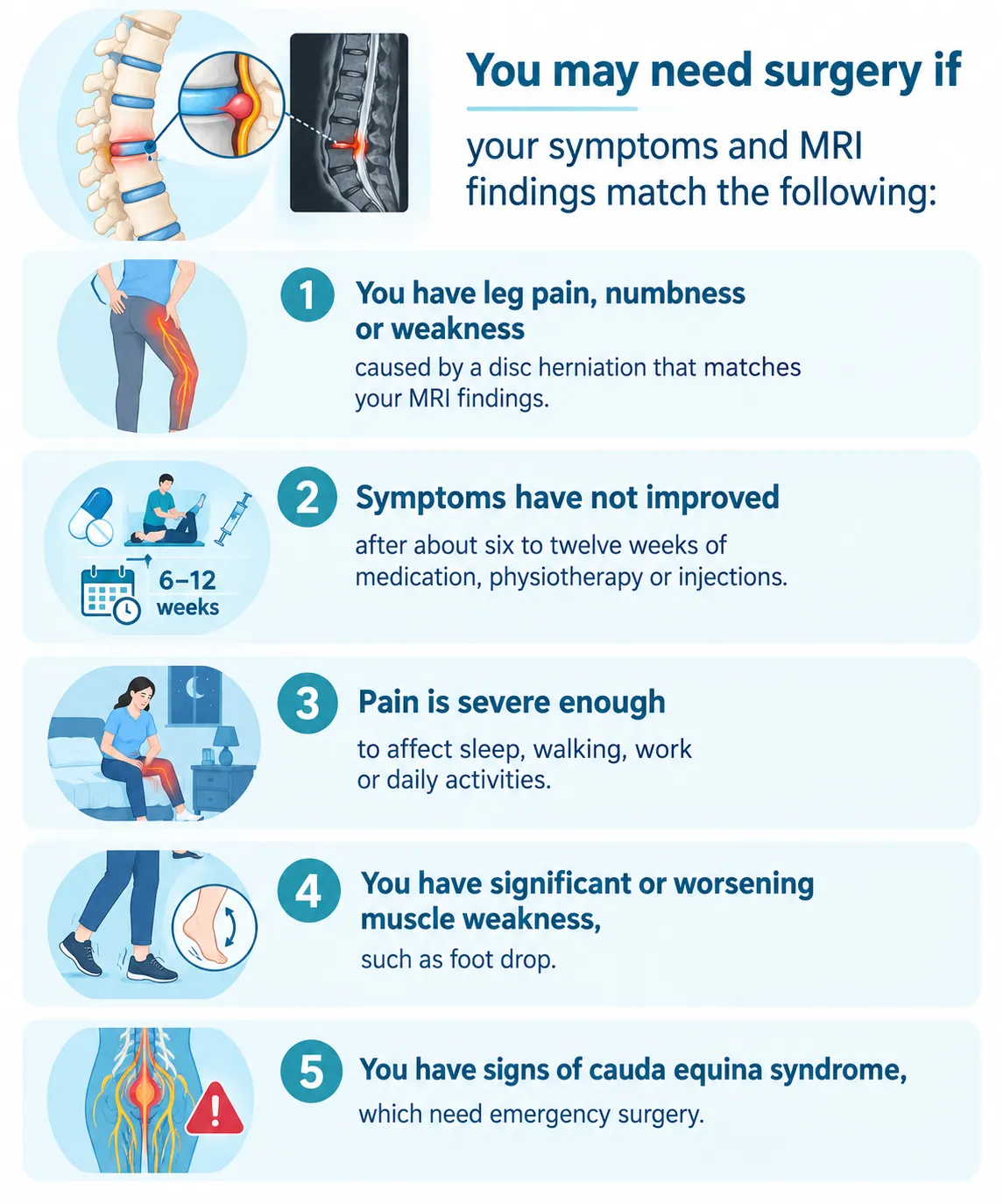
Ideal Candidate for Surgery in Lumbar Disc Herniation
Surgery may be appropriate if:
Surgery is not usually advised for back pain alone without nerve compression, or when imaging findings do not correspond with symptoms. In such cases, continued non-surgical care is the better route.
A careful clinical and imaging assessment confirms whether surgery is needed and which technique suits you best.
Recovery After Lumbar Disc Surgery
The recovery time for a microdiscectomy (or endoscopic discectomy) is relatively quick since the procedure is made through a minimal sized incision and there is minimal disturbance of the muscles.
Patients will be in hospital for 1-2 days and many will be walking in hours after surgery. Sometimes leg pain is relieved immediately after the nerve is decompressed and numbness and tingling will take weeks to months to resolve. It is normal to experience some pain around the scar for the first couple of days. For the first couple of weeks, patients are asked to refrain from heavy lifting and avoid sitting for extended time periods or bending with excessive strength. Returning to work is usually possible in approximately 2-3 weeks with the work being desk based, and a guided physiotherapy programme is used to build the core strength to protect the spine. Return to heavy exercise/sport as per progress and follow up reviews.
The risks of spine surgery, such as infection, blood loss, nerve irritation and recurrence of the herniation are a possibility in any spine surgery. The following are talked about prior to surgery and kept to a minimum by using proper patient selection and technique.
Benefits and Limitations of Lumbar Disc Herniation Surgery
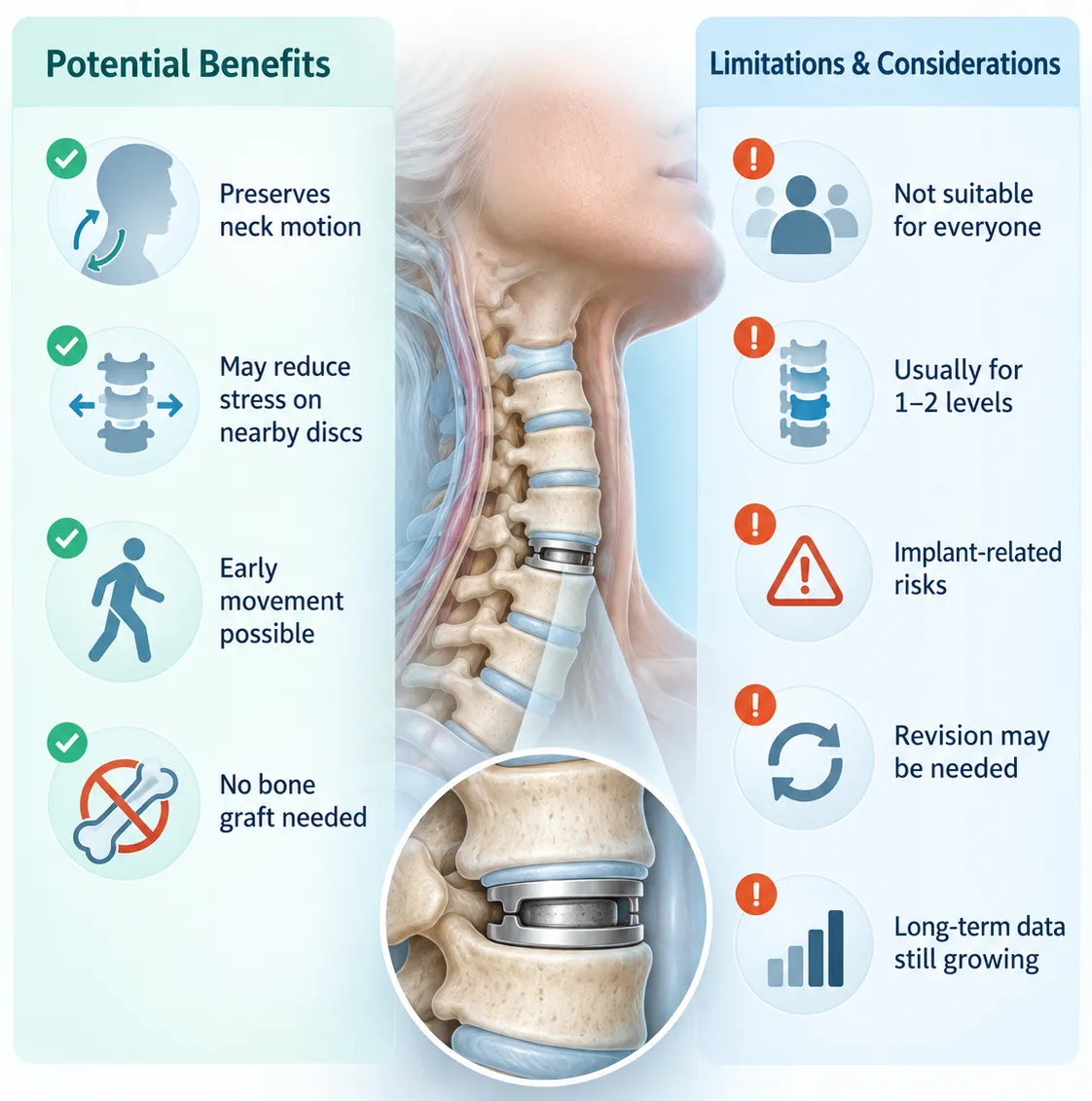
Understanding both sides helps you decide between continued non-surgical care and surgery.
Get a consultation and an evidence-based treatment plan.
Frequently Asked Questions
When a herniated lumbar disc occurs, does surgery always have to be performed?
No. Most herniated discs will heal with medication, physical therapy and time. Surgery is considered when pain or weakness persists despite the correct treatment and/or when there is evidence of severe nerve compression.
How long does it take for a herniated disc in the lower back (lumbar) to heal?
Patients will be better 6-12 weeks after treatment. The disc material can deteriorate with time and the nerve irritation will pass.
What's the difference between microdiscectomy and endoscopic discectomy?
Both methods remove the bulging part of disc to take the pressure off the nerve. The two procedures involve different amounts of incision: Microdiscectomy involves a small incision and the use of an operating microscope and Endoscopic discectomy involves a smaller incision and the use of an endoscope. This will vary depending on the type of herniation, the area affected and your specific body structure.
Is general anaesthetic used for the lumbar disc surgery?
This may be performed under general anaesthetic or spinal anaesthetic (also called local anaesthetic) depending on the patient’s condition, the procedure used and the anaesthetist’s careful assessment.
How long does it take to recover from a lumbar disc surgery?
You may feel better quickly when you have leg pain. Most patients can walk the same day or next day then return to desk work in approximately 2-3 weeks, followed by return to full activity in approximately 6-12 weeks based on type of work and recovery.
Will The Disc re-flatten after The Surgery?
The chances of the recurrence are small, typically at the same level. Minimizing the risk of core strengthening, proper body weight and lifting techniques after surgery and good posture.
When is it an urgent matter to see a spine surgeon?
See a doctor immediately if you have problems urinating or defecating, numbness around the groin or inner thighs or if weakness in one or both legs increases suddenly. These may be signs of cauda equina syndrome (C.E.S.) which is a condition that requires urgent treatment.