
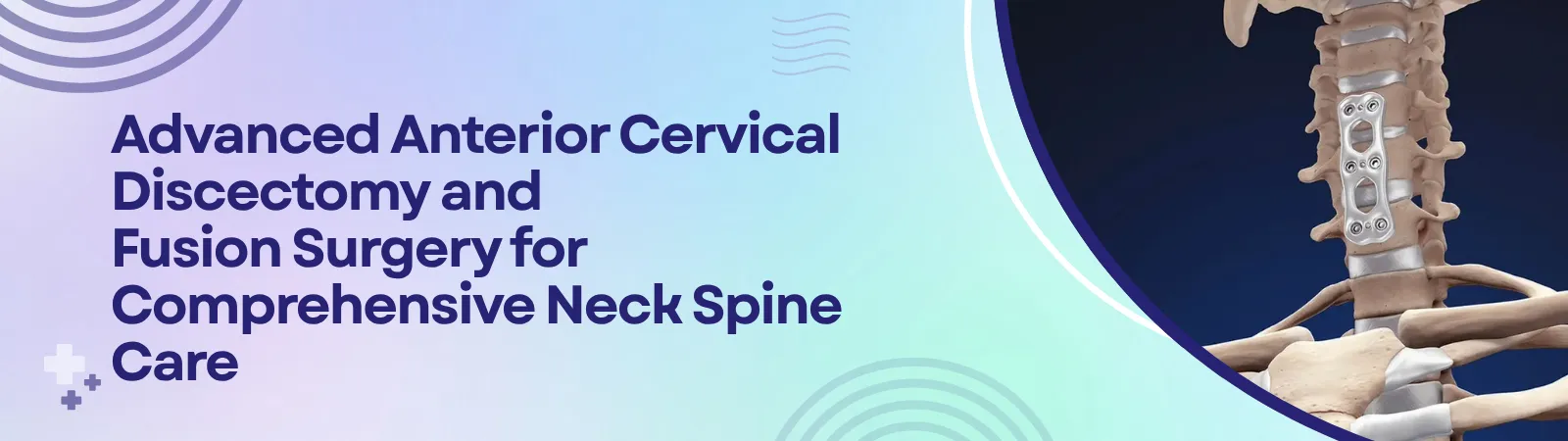
Anterior Cervical Discectomy and Fusion (ACDF) Surgery
Neck pain that radiates into the shoulder or arm, along with numbness, tingling, or weakness in the hand, is often a sign that a disc in the cervical spine is pressing on a nerve or the spinal cord. Anterior Cervical Discectomy and Fusion (ACDF) is a well-established surgical procedure that removes the damaged disc through a small incision at the front of the neck, relieves the pressure on the nerve or cord, and then fuses the adjoining vertebrae with a bone graft and plate to restore stability at that level.
“ACDF remains one of the most reliable ways to take pressure off a compressed cervical nerve or the spinal cord itself. Approaching from the front lets us reach the disc directly, with the neck muscles left largely undisturbed,” states Dr. Arvind Umarani.
Dr. Arvind Umarani is an experienced orthopaedic spine surgeon with focused expertise in cervical and lumbar spine conditions. He manages cervical disc herniation, cervical spinal stenosis, and degenerative neck conditions using anterior, minimally invasive, and endoscopic techniques depending on what best suits each patient.
When a cervical disc is the source of nerve or cord compression, ACDF offers a direct route to decompression and a stable, fused outcome.
Causes and Symptoms of Conditions Requiring ACDF Surgery
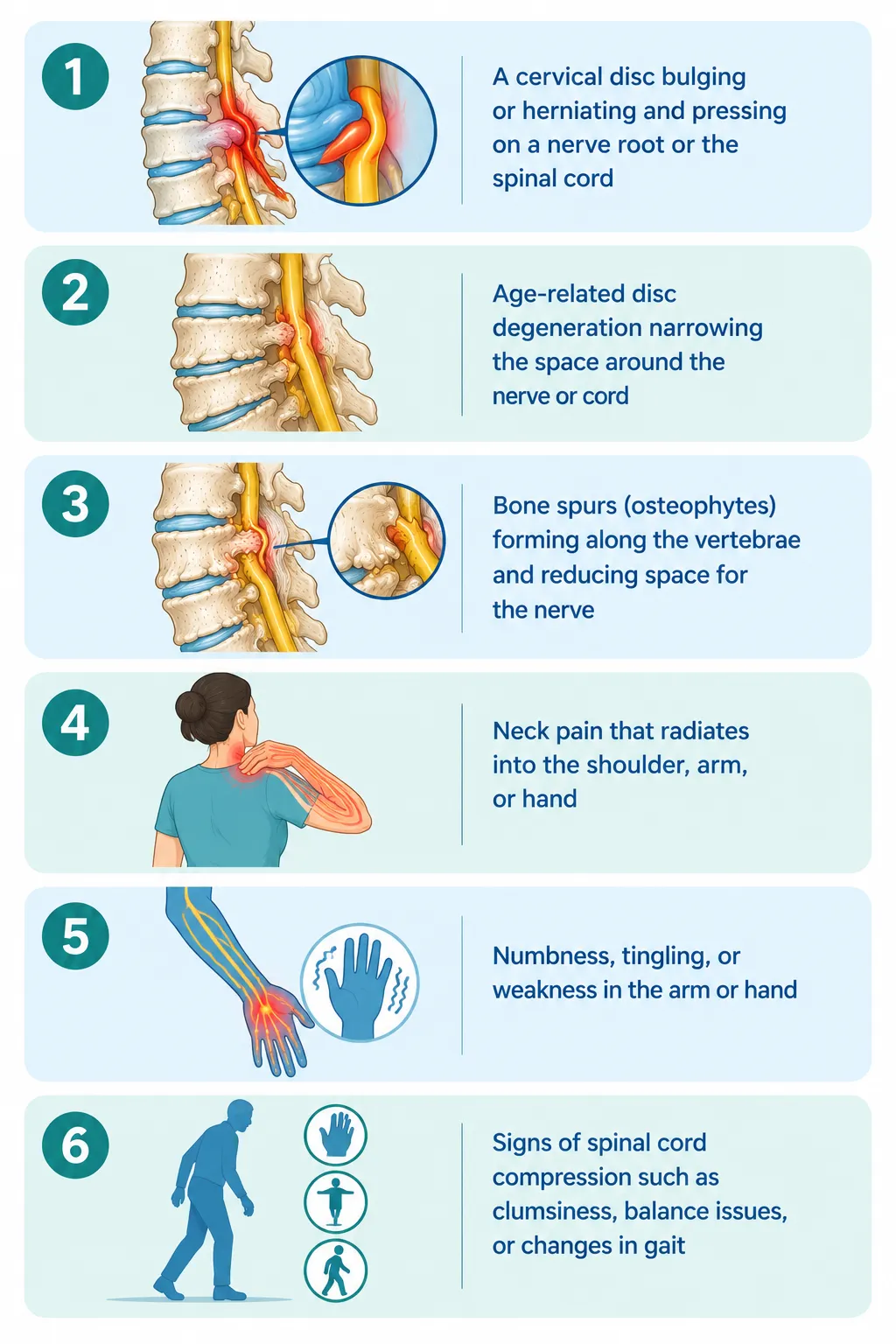
ACDF surgery is generally considered when a cervical disc problem compresses a nerve root or the spinal cord and has not responded to conservative treatment. Common causes and symptoms include:
Neck or arm symptoms that persist, worsen, or begin to affect grip strength and coordination should be evaluated promptly, since spinal cord involvement can progress if left untreated.
Conditions Treated with ACDF Surgery
ACDF is used to manage a range of cervical spine conditions where decompressing the nerve or spinal cord and stabilising the segment is the priority. Conditions treated include:

Cervical Disc Herniation:
A slipped or bulging disc pressing on a nerve root, causing arm pain, numbness, or weakness.
Cervical Spinal Stenosis
Narrowing of the cervical spinal canal that compresses the spinal cord or nerve roots

Cervical Radiculopathy
Nerve root compression causing pain, numbness, or weakness along a specific arm pattern.
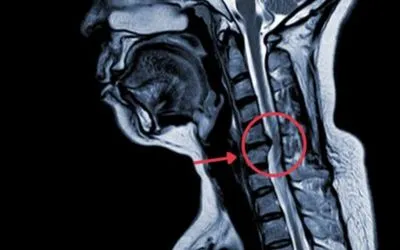
Cervical Myelopathy
Spinal cord compression that can affect balance, coordination, and hand function.
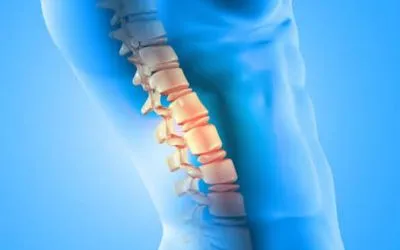
Degenerative Disc Disease
Wear-related disc collapse that narrows the nerve exit tunnels over time.
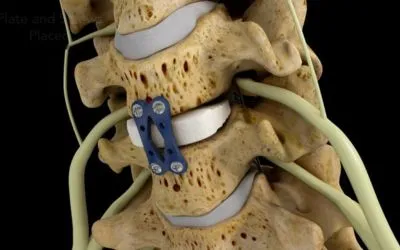
Failed Conservative Treatment
Persistent symptoms despite medication, physiotherapy, or injections.
MRI findings combined with a detailed neurological examination determine which level is involved and whether ACDF is the appropriate treatment.
Struggling with neck pain radiating into your arm or hand? Connect with Dr. Arvind Umarani to find out if ACDF is the right option for you.
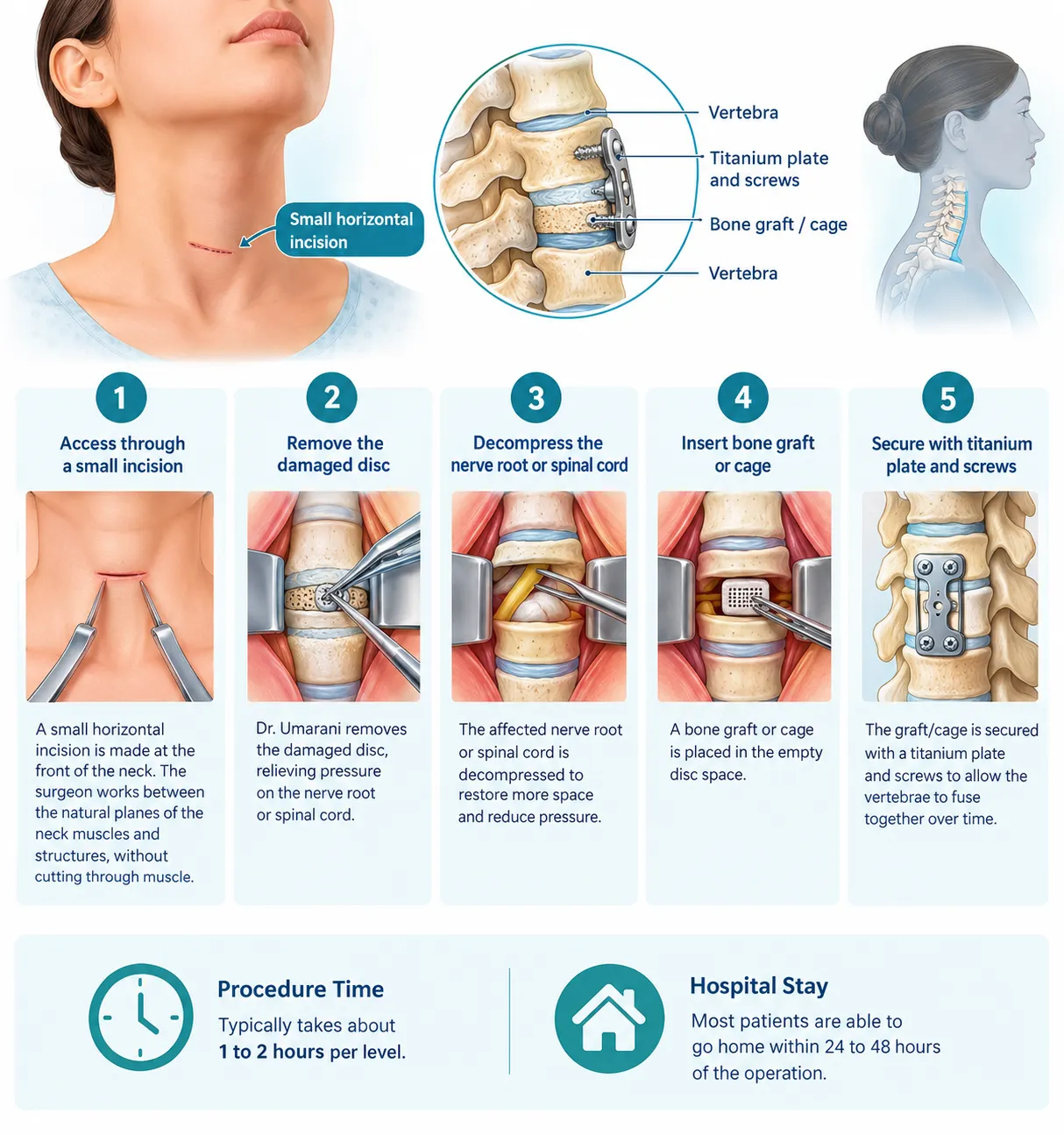
Reliable decompression through the front of the neck, followed by a stable fusion, is what has kept ACDF a trusted procedure for cervical nerve and cord compression.
How ACDF Surgery is Performed by Dr. Arvind Umarani
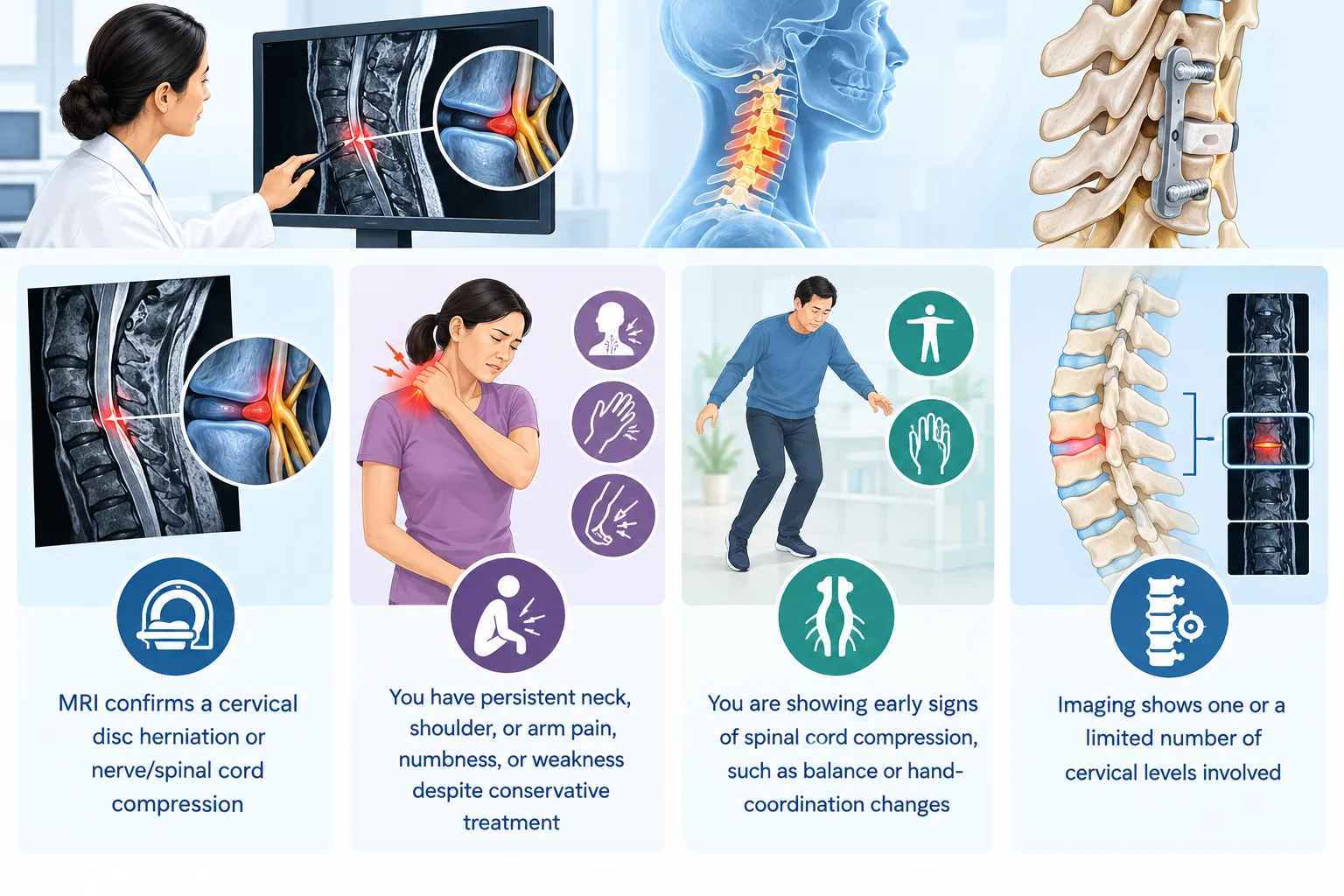
Wondering whether your neck and arm symptoms warrant surgery? Here is how Dr. Arvind Umarani decides who is a good candidate for ACDF
Ideal Candidate for ACDF Surgery
You may be a candidate for ACDF surgery if:
A thorough clinical and imaging assessment is what ultimately confirms whether ACDF, rather than a motion-preserving or endoscopic alternative, is the right choice for you.
Decompressing the nerve is the first goal; a solid fusion is what protects that result over the years that follow.
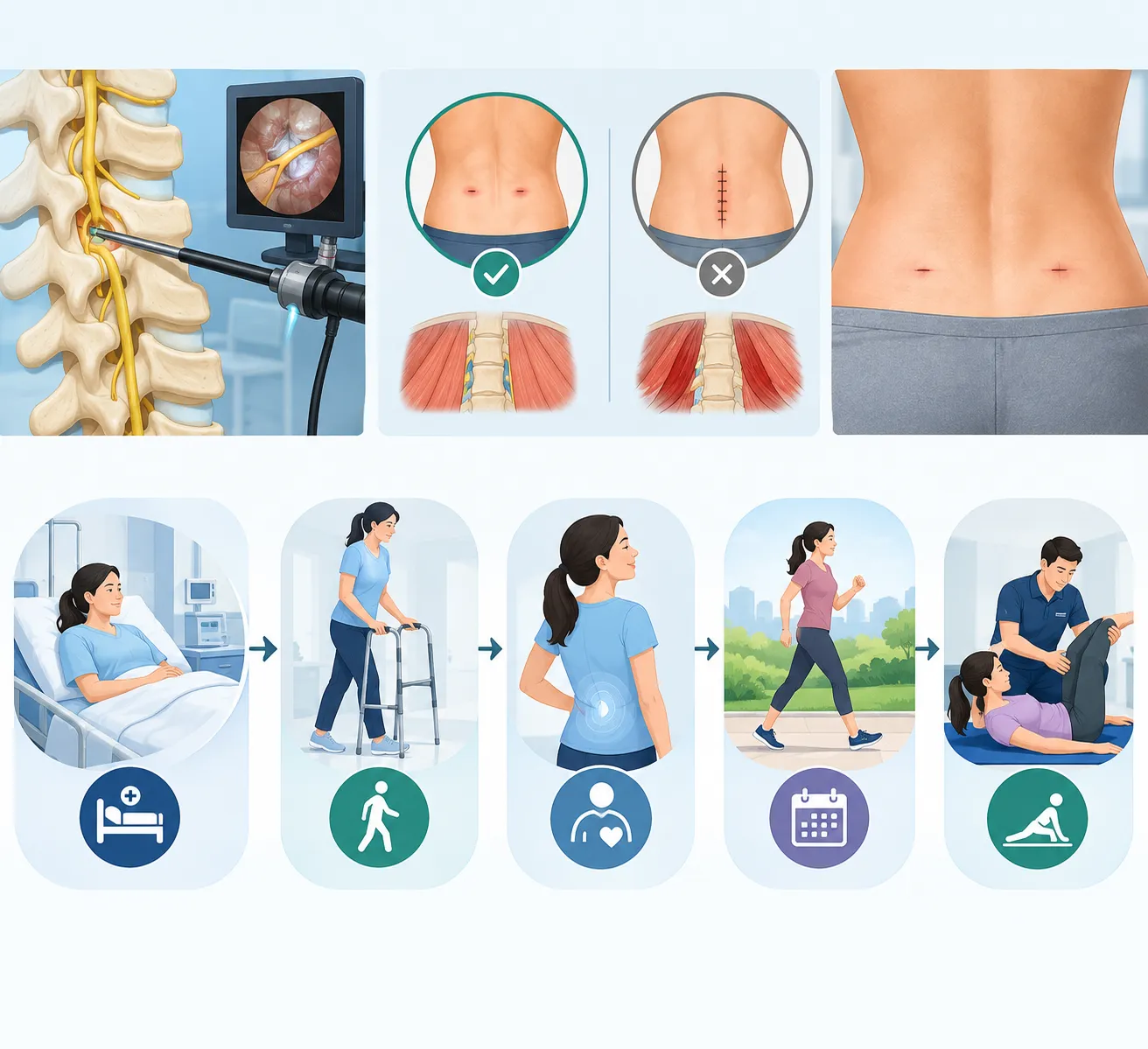
Recovery After ACDF Surgery
Recovery after ACDF is generally steady and well-tolerated, since the anterior approach avoids cutting through the neck’s major muscle groups.
Hospitalization (1 to 2 days only):
Most patients are up and walking the same day or the day after surgery, often with a soft cervical collar for support in the initial weeks. Neck discomfort and mild swallowing difficulty are common in the first few days and usually settle quickly. Light activities are typically resumed within a couple of weeks, with fusion progress monitored on follow-up X-rays over the following months.
Since ACDF operates in proximity to critical anatomical landmarks of the neck such as the airways, oesophagus, and spinal cord, technique, and expertise are essential factors to result in a safe procedure, which is why patients seek out Dr. Umarani’s services on this point.
Why Choose Dr. Arvind Umarani for ACDF Surgery?

Focused Cervical Spine Expertise
Extensive experience managing cervical disc herniation, stenosis, and myelopathy.
Internationally Experienced Skillset:
Rigorous training in spine surgery benefited from the guidance of trained overseas mentors.
Customized Surgical Strategies
Based on your unique compression distribution, spinal balance and lifestyle requirements.
Accurate-Perform method
Careful anterior approach protecting adjacent structures while achieving comprehensive decompression.
Patient-Friendly Counselling
the patient is provided with a clear picture of the available surgical, as well as the non-surgical methods, and some probable results of each, to set the right expectations.
Guided Recovery
monitoring after surgery and physiotherapy guidelines for appropriate rehabilitation.
Are you living with neck pain, arm numbness, or weakness? Get a focused consultation and evidence-based plan with Dr. Arvind Umarani.
Frequently Asked Questions
What is the difference between ACDF and other cervical spine procedures?
The traditional ACDF involves excision of the disc anteriorly and fusion of the two levels for stability. Alternatives include cervical disc replacement conserving the movement at that level, or a posterior approach decompressing from behind the neck. The best option will be dictated by the pattern of compression and the number of levels involved.
Is ACDF right for any patient who has a neck and arm ache?
Not always. Several different sources of chronic neck and arm pain respond to analgesics, physiotherapy, or injections. Anterior cervical discectomy and fusion is only indicated if pain remains despite conservative treatments or the MRI demonstrates compressive features of the nerve roots or spinal cord. A careful assessment will try to see if it is appropriate for you.
How long does it take to heal after ACDF surgery?
Many patients experience rapid resolution of the arm pain, but neck stiffness and mild pain can persist for several weeks. Light activity is usually resumed within 2-3 weeks, and light duties are often resumed within 6-12 weeks – a timeline directed by the progressing fusion.
Will I be unable to turn my neck if I have a fusion at that level?
One level fusion will rarely restrict motion overall because the other levels pick up the slack. For certain conditions, multi level fusions can be more significant, and this one of the things we will discuss about your surgery.
Is there general anaesthetic for ACDF operation?
Yes, ACDF is carried out under general anaesthesia to help surgery in close proximity to the airway and spinal structures safely and accurately. Your surgeon will assess your suitability for anaesthesia before surgery.
Can the problem recur after ACDF surgery?
While the fused level is stable after it heals, degeneration can sometimes (although not always) occur at the levels immediately above and below (adjacent segment disease). By following the post-operative advice given on posture, activity, and physiotherapy, you will help ensure the results of your operation remain durable into the future.