Scoliosis Surgery

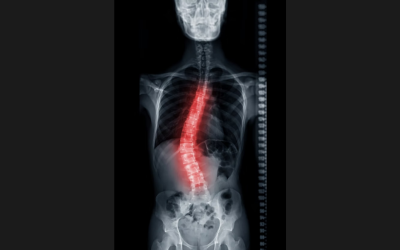
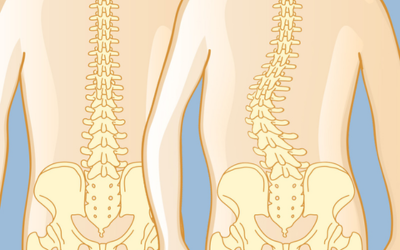
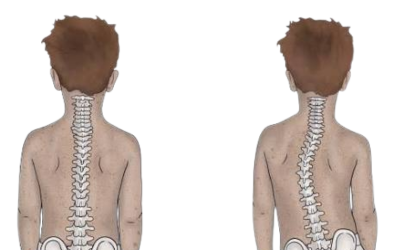
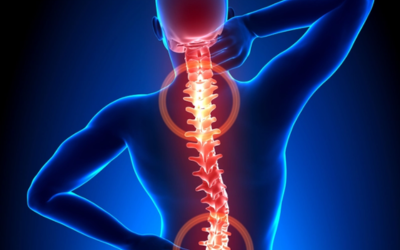
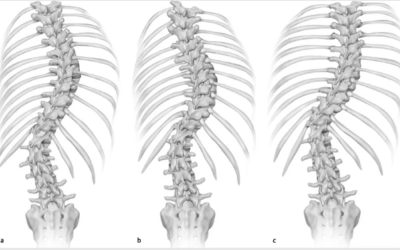
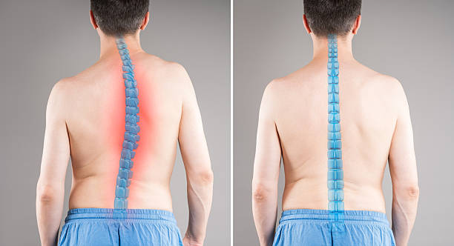
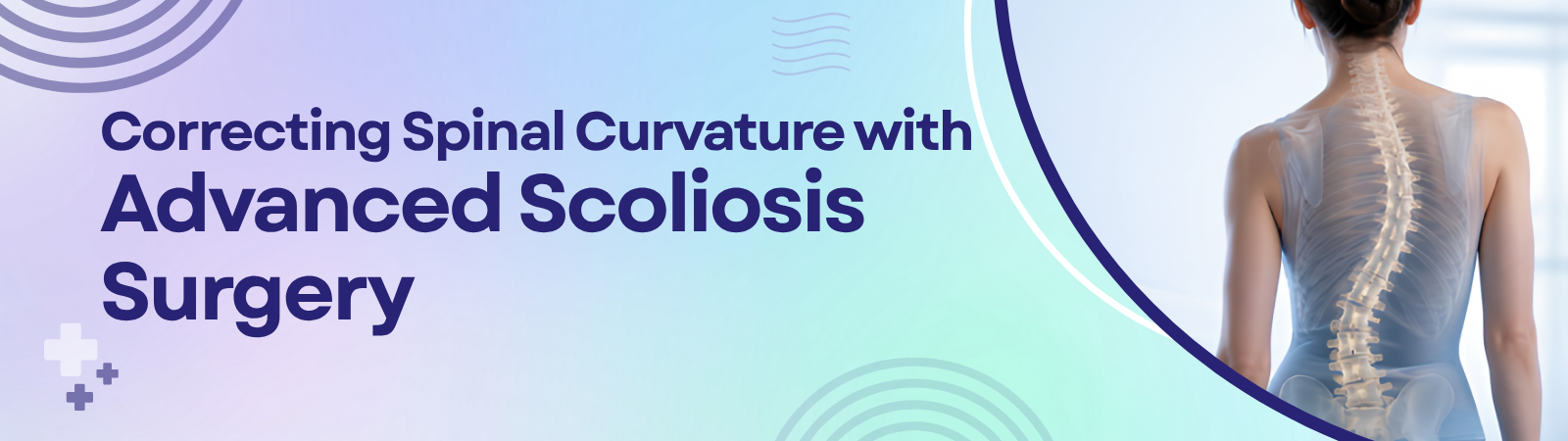
A visible curve in the back, uneven shoulders, a tilted waist, or breathing difficulty in advanced cases can all point to scoliosis. Left unchecked, large or progressing curves cause pain, posture problems, and in some cases, lung and heart issues. Scoliosis surgery corrects the abnormal sideways curvature of the spine using carefully placed implants, spinal fusion, and modern navigation tools, restoring balance, alignment, and long-term function.

“With today’s navigation systems and refined surgical techniques, scoliosis correction is safer and more predictable than ever. The goal is not just a straighter X-ray but a balanced spine, and a stronger long-term outcome,” states Dr. Arvind Umarani.
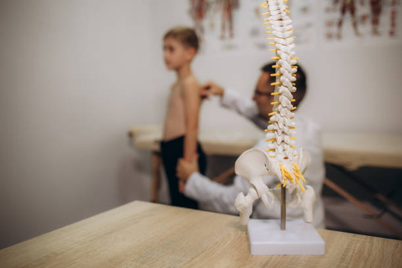
Dr. Arvind Umarani is an esteemed orthopaedic spine surgeon with focused expertise in adult and pediatric spinal deformity correction. He treats adolescent idiopathic scoliosis (AIS), adult degenerative scoliosis, congenital deformities, and complex high-magnitude curves.

Not every curve needs surgery. But some signs should never be ignored.

Signs and Symptoms That Indicate the Need for Scoliosis Surgery

Scoliosis is monitored with regular check-ups, exercises, and bracing in mild cases. Surgery is considered when the curve crosses a certain threshold or starts affecting health and function.

Common signs and symptoms that may indicate the need for scoliosis surgery include:
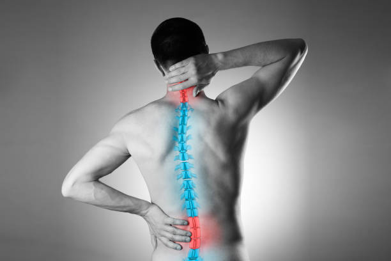
A visible spinal curve greater than 40 to 45 degrees on X-ray (Cobb angle)
Uneven shoulders, hips, or waistline
Postural imbalance and difficulty standing straight
Reduced quality of life and visible deformity affecting confidence
Breathing problems due to reduced chest capacity in severe curves
Rapid progression of the curve, especially in growing children
One shoulder blade more prominent than the other
Failure of conservative treatments like bracing or exercises
Early evaluation is the safest route. A short visit can save years of complications.
Scoliosis is not a single condition. Here are the main types that may need correction.

Conditions Treated with Scoliosis Surgery

Scoliosis treatment depends on the type, cause, and severity of the curve. Surgical correction is recommended when conservative care no longer controls the progression or symptoms.
Conditions managed include:
A correct diagnosis is the foundation of every successful correction.
Already diagnosed with scoliosis? Connect with a specialist for the right treatment plan.
Behind every straight spine is a carefully planned, technology-guided procedure.

How Scoliosis Surgery is Performed by Dr. Arvind Umarani

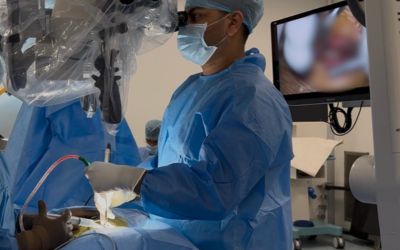
Scoliosis correction surgery is a major procedure that requires detailed pre-operative planning, precision execution, and structured aftercare. Dr. Umarani follows a step-by-step protocol built around safety and long-term alignment.

Step-by-step overview:

1. Detailed Assessment:

Whole spine standing X-rays (standing,bending and traction films), MRI, and CT scans to map the curve, flexibility, and any neural involvement.

2. Surgical Planning:

Selection of fusion levels, implant strategy, and correction technique based on curve type, magnitude, and age.

3. Navigation Setup:

Use of intra-operative navigation and advanced imaging for safer pedicle screw placement.

4. Pedicle Screw Fixation:

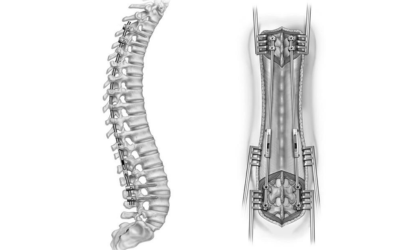
Screws are inserted into the vertebrae under navigation guidance to act as anchor points.

5. Rod Placement and Correction:

Specially contoured rods are attached to the screws. The curve is gently and progressively corrected using modern reduction techniques.

6. Spinal Fusion:

Bone graft is added so the corrected vertebrae fuse into one solid, aligned column over time.

7. Neuromonitoring Throughout:

Continuous nerve monitoring ensures spinal cord and nerve safety during correction.

8. Closure and Recovery:

Layered closure, careful pain management, and early mobilisation begin within 1 to 2 days.
The surgery typically takes 4 to 8 hours, depending on the curve, with a hospital stay of 5 to 7 days.
Mild, moderate, or severe? Here is how doctors decide who actually benefits from surgery.

Who is an Ideal Candidate for Scoliosis Surgery?
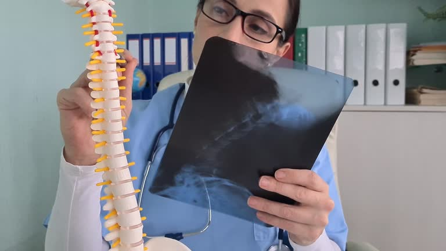
You may be eligible for scoliosis surgery if:
Your curve measures more than 40 to 45 degrees on standing X-ray
The curve is progressing despite bracing.
You experience breathing difficulty due to chest wall compression
Your posture, balance, or daily function is significantly affected
You are a growing child or adolescent with a rapidly worsening curve
Only a detailed clinical and imaging review confirms the right plan for you.
The surgery corrects the spine. Recovery makes the correction last a lifetime.

Recovery and Rehabilitation After Scoliosis Surgery

Recovery from scoliosis surgery is structured, supported, and tailored to your age, curve type, and overall fitness.

Hospital stay (5 to 7 days):

You start sitting up and walking with support within 1 to 2 days. Pain is managed with multimodal medication. Drains and dressings are gradually removed.

First 2 to 4 weeks:

Most patients are home, walking comfortably, and managing self-care. Heavy lifting, bending, and twisting are avoided. School or light office work may resume in 4 to 6 weeks.

6 weeks to 3 months:

Gradual return to most daily activities. Driving may be permitted based on progress. A structured physiotherapy programme strengthens the core and back.

3 to 6 months:

Return to most routine activities including travel, school sports, and light fitness.

6 months to 1 year:

Full bony fusion typically completes. Patients return to most sports and activities with confidence. Regular X-rays confirm long-term alignment.

Long-term outlook:

Most patients enjoy a straighter spine, better posture, less pain, and improved confidence for decades after surgery.
The right expertise shapes the result. Begin with a focused consultation and an evidence-based plan.
Scoliosis surgery is one of the most demanding procedures in spine care. Here is why patients trust Dr. Umarani with it.

Why Choose Dr. Arvind Umarani for Scoliosis Surgery?

Focused Deformity Expertise:

Dedicated training in adult and pediatric spinal deformity, including high-magnitude curves and complex revision cases.

Globally Trained Skill Set:

Advanced fellowship exposure in scoliosis and deformity correction techniques refined under international mentors.

Tailored Surgical Plans:

Correction strategies built around your curve pattern, age, growth potential, and lifestyle, not a fixed template.

Neuromonitoring for Safety:

Continuous spinal cord and nerve monitoring during correction, prioritising patient safety at every step.

Honest, Patient-Friendly Counselling:

Realistic expectations are set before surgery. Conservative options are always explored when appropriate.

Holistic Recovery Support:

Structured physiotherapy, posture training, and long-term follow-up to make the correction last.

Frequently Asked Questions

1. When is scoliosis surgery needed?

Surgery is usually advised when the curve exceeds 40 to 45 degrees, and is progressing.

2. Can scoliosis return after surgery?

A well-fused spine is stable for life. Recurrence is uncommon with modern techniques and proper follow-up.

3. Will I be taller after scoliosis surgery?

Many patients gain visible height as the spine straightens, especially in severe curves.

Disclaimer: The information shared in this content is for educational purposes and not for promotional use.

Call Now Button